
Sherrida Smith
LCSWNorth Carolina · 25 yrs exp
LCSW in North Carolina - Women's issues and relationships
Stress, Anxiety · Relationship · Family · Self esteem · +1 more
Read profileUS therapists who list women's issues
Help nowTherapist listings come from BetterHelp. If you use our links to sign up, we will earn a commission at no extra cost to you.
Browse profiles of therapists listed in North Carolina to compare focus areas, therapeutic approaches, languages, and academic credentials. Use the profiles to learn more and confirm directly with each clinician that they have permission to work with you where you live.
North Carolina · 25 yrs exp
LCSW in North Carolina - Women's issues and relationships
Stress, Anxiety · Relationship · Family · Self esteem · +1 more
Read profile
North Carolina · 8 yrs exp
Licensed counselor - relationships and life changes
Stress, Anxiety · Relationship · Family · Depression · +1 more
Read profile
North Carolina · 20 yrs exp
LCMHC in North Carolina - Women's issues and anxiety
Stress, Anxiety · Addictions · Trauma and abuse · Grief · +1 more
Read profile
North Carolina · 8 yrs exp
LCSW - Grief and mood support
Grief · Anger · Self esteem · Depression · +1 more
Read profile
North Carolina · 3 yrs exp
Licensed Clinical Social Worker - Stress and Relationships
Stress, Anxiety · Relationship · Self esteem · Depression · +1 more
Read profile
North Carolina · 5 yrs exp
Licensed Clinical Mental Health Counselor - Women's issues, trauma
Stress, Anxiety · Relationship · Trauma and abuse · Self esteem · +1 more
Read profile
North Carolina · 20 yrs exp
Licensed counselor - Women's issues and life changes
Stress, Anxiety · Parenting · Self esteem · Depression · +15 more
Read profile
North Carolina · 8 yrs exp
LCMHC in North Carolina - Stress and relationships
Stress, Anxiety · Relationship · Trauma and abuse · Depression · +1 more
Read profile
North Carolina · 4 yrs exp
Licensed Clinical Social Worker - Women's issues, Young adults
Stress, Anxiety · Trauma and abuse · Anger · Self esteem · +1 more
Read profile
North Carolina · 5 yrs exp
LCSW - Relationships and Trauma
Stress, Anxiety · Relationship · Trauma and abuse · Self esteem · +8 more
Read profile
North Carolina · 5 yrs exp
LCMHC in North Carolina - Stress and Mood
Stress, Anxiety · LGBT · Trauma and abuse · Bipolar · +1 more
Read profile
North Carolina · 13 yrs exp
LCSW - Stress and trauma focus
Stress, Anxiety · Addictions · Trauma and abuse · Anger · +1 more
Read profile
North Carolina · 15 yrs exp
LCSW - Stress and Relationship Concerns
Stress, Anxiety · Relationship · Trauma and abuse · Self esteem · +1 more
Read profile
North Carolina · 13 yrs exp
LCMHC counselor - Anxiety and relationships
Stress, Anxiety · Relationship · Grief · Depression · +1 more
Read profile
North Carolina · 25 yrs exp
LCSW - Stress and trauma support
Stress, Anxiety · Relationship · Trauma and abuse · Grief · +1 more
Read profile
North Carolina · 16 yrs exp
Licensed Clinical Mental Health Counselor - Relationships and Stress
Stress, Anxiety · Relationship · Trauma and abuse · Grief · +7 more
Read profile
North Carolina · 30 yrs exp
Licensed counselor - Stress and trauma
Stress, Anxiety · Addictions · LGBT · Trauma and abuse · +1 more
Read profile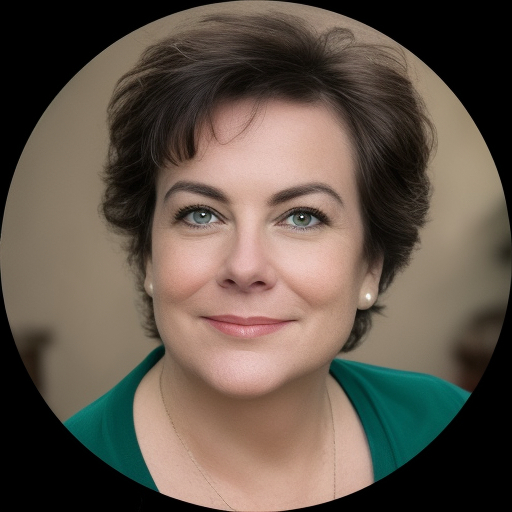
North Carolina · 35 yrs exp
LCSW in North Carolina - Relationships and Anxiety
Stress, Anxiety · Relationship · Trauma and abuse · Self esteem · +7 more
Read profile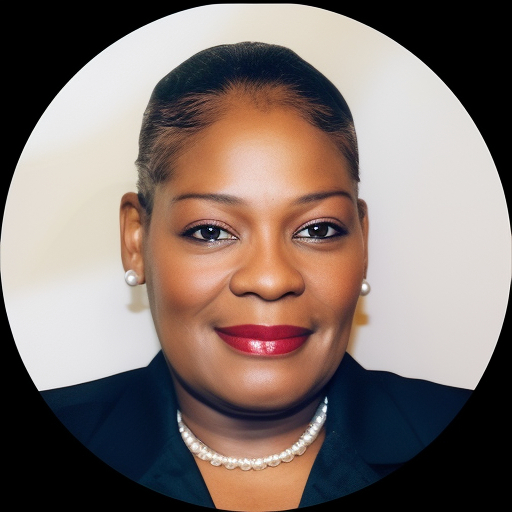
North Carolina · 3 yrs exp
Licensed Clinical Social Worker - Stress and Women's issues
Stress, Anxiety · Grief · Anger · Depression · +1 more
Read profile
North Carolina · 15 yrs exp
NC Psychologist - Women's issues and life transitions
Stress, Anxiety · Relationship · Self esteem · Career · +1 more
Read profile
North Carolina · 7 yrs exp
Licensed Marriage and Family Therapist - Relationships and Family
Relationship · Family · Intimacy-related issues · Parenting · +7 more
Read profile
North Carolina · 26 yrs exp
Licensed Clinical Mental Health Counselor - Stress and Parenting
Stress, Anxiety · Parenting · Anger · Self esteem · +1 more
Read profile
North Carolina · 22 yrs exp
LCSW - Stress and relationship support
Stress, Anxiety · Relationship · Family · Self esteem · +1 more
Read profile
North Carolina · 5 yrs exp
Licensed counselor - Stress and LGBT support
Stress, Anxiety · Addictions · LGBT · Grief · +1 more
Read profileWhen you begin searching for support, it helps to name what you want to address. You might be looking for help with stress management, relationship changes, work-life balance, body image, parenting questions, fertility or pregnancy-related worries, or identity and self-understanding. Each of these concerns can be described in different ways by clinicians on their profiles, so look for language that resonates with how you describe your situation. For example, some therapists list postpartum support or perinatal mood, others mention career transitions or complex grief, and some note experience with body image and eating concerns. Asking whether a clinician lists similar topics can be a quick way to find profiles to explore further.
It is also useful to think about the tone and style you prefer. Some profiles emphasize a collaborative, strengths-based approach while others describe more structured goal-setting or skills-based work. Neither style is inherently better; the right fit depends on you and the moment you are in. As you read profiles, notice whether clinicians mention working with people who have backgrounds or identities similar to yours, or whether they highlight particular life stages or cultural perspectives. That context can help you narrow your search to profiles that feel like a closer match.
The listed location on a profile indicates the place the clinician has associated with their profile, but it does not by itself guarantee permission to practice with every person in that area. You should check the individual profile and contact the clinician to confirm they are able to work with you where you live. Licenses and academic degrees are separate. Degrees such as PhD, PsyD, MD, MA, and MSW describe educational attainment. Licenses commonly seen in the United States include acronyms such as LCSW, LPC, LMFT, and others. A degree alone does not establish current legal permission to practice; conversely, licenses indicate the type of professional authorization the clinician holds. When a profile lists a degree and a license, consider both pieces of information together and verify current licensure directly with the clinician or the state licensing board if that is important to you.
Profiles may also list clinical interests or approaches. These entries show what a clinician reports working with or offering, but they are not evidence of a specific certification or outcome. You can ask about how those approaches show up in sessions and whether the clinician has experience addressing the specific challenges you bring.
Preparing a few specific questions before reaching out will help you get clearer answers and make better comparisons between profiles. You could ask how the clinician describes their typical way of working with people who present concerns like yours, and what a few early sessions often focus on. If you are curious about methods you have heard of - for example mindfulness practices, trauma-informed approaches, somatic work, or cognitive-behavioral techniques - ask whether a clinician lists those approaches and how they integrate them into care without assuming every listed approach will be used with you.
It is also reasonable to ask about experience with life stages or circumstances that matter to you. Do they list experience working with pregnancy and postpartum concerns, or with career-related stress and burnout? Do they indicate comfort discussing identity, sexual health, or culturally specific experiences? You can ask for a brief sense of how many years they have worked with these concerns or how they tailor their approach when someone’s needs change. Framing questions this way will give you concrete information to compare profiles and choose who to contact based on alignment with your priorities.
If you plan to receive care online, there are important practical and safety questions to cover before beginning. Ask whether the clinician is authorized to practice in your state or jurisdiction and whether they can legally provide remote sessions to you in the place where you live. Clarify the modes of communication the clinician uses and what to do in an emergency. If you are feeling unsafe at home, contact local emergency services immediately or reach out to the National Domestic Violence Hotline at 1-800-799-7233 or a local equivalent for guidance and support.
Be clear about the boundaries between talk-based care and medical, reproductive, or legal needs. Online talk therapy is not a substitute for medical advice or medication management; if you have medical questions, symptoms, are pregnant, or are considering medication, include your physician or other medical professionals in those conversations. Also ask how the clinician handles records, what their appointment cancellation policies are, and how they support continuity of care if either of you needs to pause or transition. These practical details can help you feel prepared and make an informed choice about whether to move forward.
When comparing profiles, pay attention to the specific words clinicians use to describe their focus areas and approach rather than relying on broad labels. Look for phrases that indicate the populations and concerns they list - for example, whether they mention parenting, fertility-related worries, workplace stress, body image, or identity exploration. If multilingual care is important to you, check the profile for languages offered and think about whether cultural familiarity or language concordance matters for the issues you want to address. You can ask clinicians to describe their experience working in other languages and how they manage cross-cultural topics in therapy.
Consider credentials and how they are presented. A profile might list an MA or MSW alongside a licensed title such as LCSW. Ask the clinician to explain what their degree and license mean in practical terms and how long they have maintained their license. If you want to better understand a clinician's day-to-day style, ask them to describe a typical session, how they set goals, and how they measure progress together. Questions like Do you tend to take a directive or collaborative stance? and How do you decide when to introduce skills or homework? give you concrete information to weigh when comparing profiles.
Finally, trust your assessment of how a profile reads and how your initial contact feels. Profiles are a starting point for conversation, not a guarantee of fit. Reach out with the specific questions that matter to you, confirm the clinician's permission to work with you where you live, and use your first interactions to decide whether a particular therapist's focus areas, languages, credentials, and style match what you are looking for.
Anger
1656 therapists
Chronic Illness
1319 therapists
Depression
4031 therapists
Domestic Violence
1563 therapists
Eating Disorders
536 therapists
Grief
2439 therapists
Guilt and Shame
3778 therapists
Intimacy Issues
1298 therapists
Isolation / Loneliness
3559 therapists
Midlife Crisis
2244 therapists
OCD
1027 therapists
Panic Disorder and Panic Attacks
2370 therapists
Post-Traumatic Stress
3199 therapists
Postpartum Depression
1542 therapists
Self Esteem
3902 therapists
Social Anxiety and Phobia
3093 therapists
Stress & Anxiety
4767 therapists
Trauma and Abuse
3141 therapists
Attachment Issues
2705 therapists
Blended Family Issues
1787 therapists
Body Image
1997 therapists
Career
1580 therapists
Caregiver Issues and Stress
2943 therapists
Codependency
2172 therapists
Communication Problems
4270 therapists
Coping with Life Changes
3482 therapists
Divorce
2927 therapists
Family
2221 therapists
Family of Origin Issues
1903 therapists
Fertility Issues
684 therapists
Infidelity
1585 therapists
Life Purpose
3968 therapists
Money and Financial Issues
1523 therapists
Parenting
1726 therapists
Pregnancy
1496 therapists
Relationship
3404 therapists
Self-Love
4167 therapists
Workplace Issues
3033 therapists