
Kathryn Miller
LPCTexas · 5 yrs exp
LPC in Texas - Stress and Relationship Concerns
Stress, Anxiety · Grief · Depression · Coping with life changes · +8 more
Read profileUS therapists who list women's issues
Help nowTherapist listings come from BetterHelp. If you use our links to sign up, we will earn a commission at no extra cost to you.
Compare therapist profiles that list Anger alongside women's wellbeing to explore different approaches and qualifications. Browse profiles to review credentials, languages, listed location and therapeutic style as you look for a good match.
Texas · 5 yrs exp
LPC in Texas - Stress and Relationship Concerns
Stress, Anxiety · Grief · Depression · Coping with life changes · +8 more
Read profile
Illinois · 6 yrs exp
LCSW - Stress and relationship concerns
Stress, Anxiety · Self esteem · LGBT · Relationship · +5 more
Read profile
Texas · 3 yrs exp
Licensed Professional Counselor - Addictions and Trauma
Addictions · Family · Trauma and abuse · Intimacy-related issues · +1 more
Read profile
Michigan · 18 yrs exp
Dr. Ana-Rocío Escobar-Chew - LMFT, Relationships and Family
Stress, Anxiety · Relationship · Family · Trauma and abuse · +8 more
Read profile
Florida · 25 yrs exp
LMFT - Stress and relationship concerns
Stress, Anxiety · Addictions · Relationship · Anger · +6 more
Read profile
Texas · 5 yrs exp
LPC in Texas - Relationship and Trauma support
Relationship · Family · Trauma and abuse · Grief · +10 more
Read profile
Missouri · 11 yrs exp
LCSW - Grief and life changes
Grief · Anger · Self esteem · Career · +1 more
Read profile
Ohio · 12 yrs exp
Licensed Professional Clinical Counselor - Stress and Anxiety
Stress, Anxiety · Trauma and abuse · Anger · Self esteem · +1 more
Read profile
North Carolina · 8 yrs exp
LCSW - Grief and mood support
Grief · Anger · Self esteem · Depression · +1 more
Read profile
California · 12 yrs exp
Licensed Clinical Social Worker - Women's issues, relationships
Stress, Anxiety · Trauma and abuse · Grief · Self esteem · +12 more
Read profile
Alabama · 20 yrs exp
Licensed counselor - Stress and trauma
Stress, Anxiety · Trauma and abuse · Anger · Self esteem · +1 more
Read profile
Texas · 5 yrs exp
LCSW - stress and life changes
Stress, Anxiety · Anger · Self esteem · Depression · +1 more
Read profile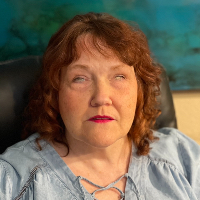
Texas · 16 yrs exp
Licensed Professional Counselor - Women's issues and relationships
Stress, Anxiety · Family · Parenting · Bipolar · +11 more
Read profile
Texas · 3 yrs exp
LPC counselor - Relationships and life changes
Stress, Anxiety · Relationship · Trauma and abuse · Self esteem · +16 more
Read profile
Texas · 9 yrs exp
LICSW LCSW - Stress and Addictions
Stress, Anxiety · Addictions · Family · Self esteem · +11 more
Read profile
Florida · 22 yrs exp
Licensed counselor - Anxiety and relationships
Stress, Anxiety · Relationship · Family · Trauma and abuse · +10 more
Read profile
Louisiana · 4 yrs exp
Licensed Professional Counselor - Stress and Women's issues
Stress, Anxiety · Anger · Self esteem · Depression · +1 more
Read profile
Texas · 13 yrs exp
Licensed Professional Counselor - Women's issues and trauma
Stress, Anxiety · Trauma and abuse · Self esteem · Depression · +14 more
Read profile
California · 25 yrs exp
LCSW - Stress and relationship support
Stress, Anxiety · Relationship · Trauma and abuse · Depression · +11 more
Read profile
Florida · 20 yrs exp
LMHC in Florida - Stress and Life Changes
Stress, Anxiety · Grief · Self esteem · Depression · +9 more
Read profile
Colorado · 15 yrs exp
LPC in Colorado - Relationships and Stress
Stress, Anxiety · Relationship · Family · Grief · +8 more
Read profile
New York · 7 yrs exp
LMHC in New York - Stress and Addictions
Stress, Anxiety · Addictions · Trauma and abuse · Anger · +1 more
Read profile
Florida · 10 yrs exp
LMHC - Stress and trauma support
Stress, Anxiety · Trauma and abuse · Grief · Depression · +8 more
Read profile
Texas · 3 yrs exp
LPC in Texas - Trauma and Addiction
Addictions · Trauma and abuse · Grief · Self esteem · +9 more
Read profileAnger can be a powerful and sometimes confusing response to stress, relationship strain, life transitions, body image concerns, workplace pressure, parenting challenges or questions of identity. You may notice it as sudden outbursts, simmering resentment, avoidance of situations that trigger strong feelings, or as physical tension and irritability. Any of these experiences can affect relationships and how you feel about yourself, but they do not point to a single cause or a single solution. When you read profiles on this page, think about the ways anger shows up for you and what you most want to address - emotional regulation, boundary-setting, communication skills, or understanding patterns rooted in past events - because those priorities will shape what to ask when you connect with a therapist.
This page brings together profiles of clinicians who list Anger as an area of focus alongside women's wellbeing. That listing indicates the therapist has included these topics among the issues they address in profiles, but it is not evidence of a specific certification or a guarantee about what they treat. The intersection of women's wellbeing and anger can reflect many concerns - sometimes connected to hormonal changes, caregiving roles, workplace dynamics or identity-related stress, and sometimes not directly related. As you browse, keep in mind that a listed topic does not automatically mean the practitioner works with couples, children or families. You should discuss scope directly with any clinician you contact to confirm whether the therapist works with the particular relationship context or life stage you are bringing.
When comparing profiles, you will want concrete information about how a clinician typically works. Ask about the theoretical approaches they use and what those approaches look like in practice. For example, you might ask, "I see you list cognitive-behavioral approaches and emotion-focused work among your approaches - how do you use those with anger-related concerns?" or "What does it look like when you work with women's wellbeing and anger together?" Therapists often list modalities such as psychodynamic, mindfulness-based, or trauma-informed care; a listing does not prove specialized certification, so ask them to describe the kinds of interventions they typically use and how they tailor them to women's issues.
It is also important to clarify experience. You can ask, "What kinds of client concerns do you typically work with related to anger and women's wellbeing?" and "Do you have experience with issues similar to mine, such as workplace conflict, perinatal mood changes, or parenting stress?" Ask about language options by saying, "Which languages do you offer sessions in?" and you can request examples of how cultural factors influence their work by asking, "How do you consider culture, gender, and identity when supporting someone with anger?" These concrete questions will help you compare profiles on the basis of approach and fit rather than on assumptions.
Before beginning care, have a conversation about scope and boundaries so you know what to expect. Discuss your goals and what you hope to address, and ask the clinician to describe how they typically structure work around anger and related concerns. Verify professional credentials by asking about their degree and licensure - for example, a PhD or PsyD, an MD, an MA or an MSW are academic degrees, while permission to practice normally comes from a licensing board. A degree alone does not guarantee current permission to practice in your state or country, so ask specifically whether they are licensed to provide care in your location.
If you are considering remote sessions, ask how the clinician handles situations when someone is at risk or in crisis, and what local resources they recommend. If you are unsafe at home or in immediate danger, contact local emergency services right away and, in the United States, you can reach the National Domestic Violence Hotline at 1-800-799-7233 or visit their website for local resources. If you have medical questions - about pregnancy, physical symptoms, or medication - those belong to your healthcare provider, so plan to coordinate care with your doctor as needed. You may also want to discuss practical matters such as session language, how cancellations are handled, and the general process for setting goals and checking progress, so you enter care with clear expectations.
Comparing profiles effectively means looking beyond a single phrase and asking specific questions that illuminate how a therapist matches your needs. Start by noting which focus areas are listed and how they are described - does the clinician mention anger in the context of relationships, parenting, work stress, or body image? Then consider approaches that are named. If you see phrases such as "therapists who list EMDR among their approaches" or other methods, ask what that approach means for someone addressing anger and how it might be integrated with work on women's wellbeing.
Credentials and professional standing matter in different ways. Recognize the difference between academic degrees and licensure: degrees like PhD, PsyD, MD, MA or MSW indicate formal education, whereas licenses and registrations indicate legal permission to practice, which varies by jurisdiction. A useful question is, "What is your degree, and which licensing board authorizes you to practice in the location listed on your profile?" You can also compare languages by asking, "Do you offer therapy in the language I prefer, and how do you address cultural or identity-related topics in sessions?"
Therapeutic style is also a key point of comparison. Profiles may hint at a clinician's style through words like collaborative, directive, reflective or skills-focused. Ask for examples: "How do you typically work in a first three sessions with someone who says anger is their main concern?" or "Can you describe a strategy you might use to help someone communicate anger to a partner in a way that feels manageable?" These kinds of concrete questions will help you assess whether a therapist's approach aligns with your preferences for feedback, homework, emotional exploration or problem-solving.
As you move from browsing to reaching out, remember that profiles are a starting point for conversation, not a final verdict. Use them to narrow options by approach, languages, listed location and the focus areas that matter most to you. Verify the clinician's licensure and permission to practice where you are, ask direct questions about how they work with anger and women's wellbeing, and discuss practicalities and safety planning before beginning care. If a profile raises questions about fit, trust your sense of whether the answers you receive feel aligned with your needs.
Seeking support for anger within the broader context of women's wellbeing is a personal process, and comparing profiles thoughtfully can help you identify clinicians who describe ways of working that resonate with you. If you are in immediate danger, contact local emergency services and, if you are in the United States, the National Domestic Violence Hotline at 1-800-799-7233 for additional assistance. Otherwise, use the questions and approaches described here to guide conversations with clinicians and to choose a profile that offers the kind of approach and experience you want to explore.
Alabama
82 therapists
Alaska
9 therapists
Arizona
75 therapists
Arkansas
32 therapists
California
564 therapists
Colorado
136 therapists
Connecticut
45 therapists
Delaware
14 therapists
District of Columbia
14 therapists
Florida
578 therapists
Georgia
153 therapists
Hawaii
20 therapists
Idaho
27 therapists
Illinois
190 therapists
Indiana
79 therapists
Iowa
29 therapists
Kansas
40 therapists
Kentucky
70 therapists
Louisiana
102 therapists
Maine
18 therapists
Maryland
92 therapists
Massachusetts
65 therapists
Michigan
163 therapists
Minnesota
48 therapists
Mississippi
54 therapists
Missouri
129 therapists
Montana
35 therapists
Nebraska
33 therapists
Nevada
38 therapists
New Hampshire
12 therapists
New Jersey
124 therapists
New Mexico
22 therapists
New York
311 therapists
North Carolina
222 therapists
North Dakota
9 therapists
Ohio
127 therapists
Oklahoma
95 therapists
Oregon
41 therapists
Pennsylvania
158 therapists
Rhode Island
9 therapists
South Carolina
105 therapists
South Dakota
7 therapists
Tennessee
97 therapists
Texas
617 therapists
Utah
41 therapists
Vermont
7 therapists
Virginia
117 therapists
Washington
61 therapists
West Virginia
17 therapists
Wisconsin
83 therapists
Wyoming
10 therapists