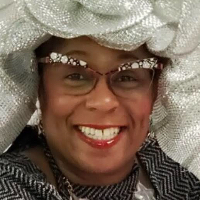
Naomi Smith
LCSW, LMSWMichigan · 24 yrs exp
LCSW counselor - Stress and relationships
Stress, Anxiety · Addictions · Relationship · Family · +1 more
Read profileUS therapists who list women's issues
Help nowTherapist listings come from BetterHelp. If you use our links to sign up, we will earn a commission at no extra cost to you.
Use this Michigan page to compare profiles of therapists who list women's wellbeing among their focus areas. You can review credentials, clinical approaches, languages and experience to help decide which profiles to explore further.
Browse the listings below to read individual profiles and contact a therapist. Be sure to check each profile and confirm the professional's permission to work with you where you live.
Michigan · 24 yrs exp
LCSW counselor - Stress and relationships
Stress, Anxiety · Addictions · Relationship · Family · +1 more
Read profile
Michigan · 18 yrs exp
Dr. Ana-Rocío Escobar-Chew - LMFT, Relationships and Family
Stress, Anxiety · Relationship · Family · Trauma and abuse · +8 more
Read profile
Michigan · 25 yrs exp
LMSW - Mood and trauma concerns
Stress, Anxiety · Trauma and abuse · Self esteem · Bipolar · +1 more
Read profile
Michigan · 14 yrs exp
Licensed Master Social Worker - Stress and Anxiety
Stress, Anxiety · Addictions · LGBT · Grief · +1 more
Read profile
Michigan · 18 yrs exp
Licensed Professional Counselor - LGBT and Grief
LGBT · Grief · Self esteem · Coping with life changes · +1 more
Read profile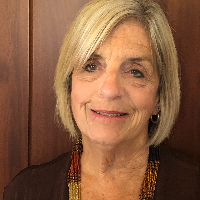
Michigan · 18 yrs exp
Licensed Professional Counselor - Stress and Relationships
Stress, Anxiety · Relationship · Family · Trauma and abuse · +16 more
Read profile
Michigan · 21 yrs exp
LMSW in Michigan - Stress and Relationships
Stress, Anxiety · Relationship · Self esteem · Depression · +1 more
Read profile
Michigan · 8 yrs exp
Licensed LMSW - Stress and Relationships
Stress, Anxiety · Relationship · Anger · Self esteem · +4 more
Read profile
Michigan · 10 yrs exp
LMSW in Michigan - Trauma and relationships
Stress, Anxiety · Relationship · Trauma and abuse · Self esteem · +1 more
Read profile
Michigan · 6 yrs exp
Licensed Professional Counselor - Women's issues and life change
Stress, Anxiety · Trauma and abuse · Grief · Depression · +1 more
Read profile
Michigan · 16 yrs exp
LMSW - Stress and grief support
Stress, Anxiety · Grief · Self esteem · Coping with life changes · +2 more
Read profile
Michigan · 15 yrs exp
Licensed Professional Counselor - Women's issues and trauma
Stress, Anxiety · Family · Trauma and abuse · Grief · +1 more
Read profile
Michigan · 11 yrs exp
Licensed Professional Counselor - Stress and Trauma
Stress, Anxiety · Trauma and abuse · Grief · Self esteem · +1 more
Read profile
Michigan · 10 yrs exp
Licensed Professional Counselor - Addictions and Anxiety
Stress, Anxiety · Addictions · Relationship · Trauma and abuse · +11 more
Read profile
Michigan · 4 yrs exp
LMSW - Trauma and life changes
Stress, Anxiety · Trauma and abuse · Self esteem · Depression · +1 more
Read profile
Michigan · 9 yrs exp
LMSW - Relationships and Mood Disorders
Stress, Anxiety · Relationship · Family · Trauma and abuse · +1 more
Read profile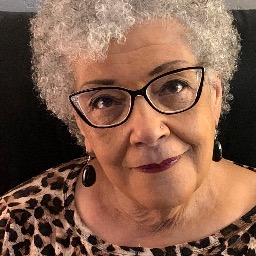
Michigan · 35 yrs exp
LMSW - Stress and Relationship Concerns
Stress, Anxiety · Addictions · Trauma and abuse · Self esteem · +3 more
Read profile
Michigan · 25 yrs exp
LMSW - Stress and Addictions
Stress, Anxiety · Addictions · Family · Trauma and abuse
Read profile
Michigan · 10 yrs exp
LMSW in Michigan - Stress and mood concerns
Stress, Anxiety · Self esteem · Bipolar · Depression · +6 more
Read profile
Michigan · 35 yrs exp
LPC - Family concerns and life changes
Family · Self esteem · Career · Coping with life changes · +10 more
Read profile
Michigan · 30 yrs exp
LPC in Michigan - women's issues and life changes
Self esteem · Depression · Coping with life changes · Coaching · +1 more
Read profile
Michigan · 5 yrs exp
LMSW - Stress and relationship support
Stress, Anxiety · Relationship · Anger · Self esteem · +1 more
Read profile
Michigan · 13 yrs exp
LMSW - stress and life changes
Stress, Anxiety · Self esteem · Coping with life changes · Coaching · +1 more
Read profile
Michigan · 20 yrs exp
LMSW in Michigan - stress and trauma
Stress, Anxiety · Trauma and abuse · Grief · Depression · +1 more
Read profileWhen you are searching for support around stress, relationships, life changes, body image, work, parenting or identity, it helps to start with how a therapist describes their focus areas and experience. Profiles often note the kinds of issues a clinician commonly works with, but a listed topic does not establish that the therapist treats children, couples, or families. Read the narrative sections of profiles to see whether a therapist specifically mentions the concerns you want to address, and look for language that reflects an understanding of the challenges you face.
Your priorities may include practical coping skills for stress, deeper work on identity and self-image, or help navigating transitions such as postpartum adjustment, career change, or separation. Pay attention to whether profiles describe short-term goal-oriented support, longer-term exploration, or a blend of both. Because descriptions vary, you may find profiles that emphasize relational patterns and attachment, others that focus on symptom management and daily functioning, and some that highlight cultural or identity-informed perspectives. Use what you read as an invitation to ask direct questions about a therapist's experience with your particular concerns when you reach out.
Profiles on this page are grouped under the listed location Michigan, but the presence of a Michigan listing does not guarantee an office in every city or that a clinician has permission to practice with you where you live. Always check the individual profile for details, and ask the clinician to confirm their permission to work with you in your state or local jurisdiction. Licensure rules vary by state and by professional board, so direct verification is important for clarity.
Academic degrees and professional licenses are different pieces of information. Degrees such as PhD, PsyD, MD, MA and MSW describe the level and type of academic training a clinician completed, while licenses or registrations indicate current permission to practice. A degree alone does not establish that someone holds a current license. When you review profiles, note both the educational background and any licensing information presented, and ask a direct question about current licensure and scope of practice. If a profile lists specialties or approaches, treat those as areas the clinician mentions rather than proof of certification or particular training.
When you contact a therapist based on a profile, having concrete questions ready helps you compare clinicians on the things that matter to you. Ask how they describe their general approach in their own words and whether they have experience with issues similar to yours. You can ask, "Can you tell me about your experience working with people who are managing body image or identity-related concerns?" or "How do you usually work with someone dealing with chronic stress and work-related pressures?" These direct questions prompt specific examples rather than vague statements.
It is reasonable to ask what methods a clinician commonly uses and how they tailor them for individual needs. Phrase inquiries to reflect that you are aware profiles list approaches - for example, "I see you list mindfulness or therapists who list EMDR among their approaches; how might those be incorporated for someone with my concerns?" You can also ask about typical session structure and what they ask clients to expect in early sessions. Questions about cultural competence, experience with diverse identities, or working with parenting and family roles are valid and helpful when choosing who to contact.
If you are considering online work, you should clarify how a clinician handles regional permission, emergency planning and the scope of services. Online talk therapy is not medical, reproductive or legal care - matters like pregnancy, physical symptoms and medication belong with a doctor. Ask how the clinician coordinates with other professionals when needed and what they recommend if you require medical or legal advice. Confirm that the clinician is authorized to provide services in the state where you live, and ask what they consider to be appropriate reasons for referral to local in-person care.
Because safety concerns can be urgent, discuss how to get immediate help if you feel unsafe at home. If you are in immediate danger, call local emergency services. If you are experiencing domestic violence, you can contact the National Domestic Violence Hotline at 1-800-799-7233 or use local equivalents to find immediate support. Asking a clinician about their procedures for crisis support and how they coordinate with local resources can provide clarity about practical next steps should you need them.
Comparing profiles effectively means looking beyond a single line of text to gather a clearer picture of fit. Start with focus areas to see whether the profile explicitly mentions the kinds of concerns you want to address. Then look at the listed approaches and read any descriptions the clinician provides about how they apply those approaches in practice. Remember that a therapist who lists a method is indicating it as part of their toolkit, not as a guaranteed or exclusive practice.
Language and cultural fluency can be important for feeling heard and understood. If a profile notes work in multiple languages or an emphasis on culturally informed care, consider asking about specific experience with identities and communities relevant to you. When comparing credentials, note degrees separately from licensing information and ask the clinician to confirm current licensure and permission to practice where you live. Finally, style matters - some therapists emphasize practical homework and skills, others prioritize reflective dialogue and processing. Ask for examples of what a typical session might look like for someone with your priorities to help you decide which profiles to pursue.
Before contacting anyone, make a brief list of what matters most to you - whether it is experience with a particular life transition, a shared language, or a cultural perspective - and use that list to guide the questions you ask. Always check the individual profile and confirm the professional's permission to work with you where you live before making plans to start. Browsing thoughtfully and asking clear, specific questions will help you identify profiles that are worth contacting and ensure the conversation you begin is focused on your needs.
Anger
1656 therapists
Chronic Illness
1319 therapists
Depression
4031 therapists
Domestic Violence
1563 therapists
Eating Disorders
536 therapists
Grief
2439 therapists
Guilt and Shame
3778 therapists
Intimacy Issues
1298 therapists
Isolation / Loneliness
3559 therapists
Midlife Crisis
2244 therapists
OCD
1027 therapists
Panic Disorder and Panic Attacks
2370 therapists
Post-Traumatic Stress
3199 therapists
Postpartum Depression
1542 therapists
Self Esteem
3902 therapists
Social Anxiety and Phobia
3093 therapists
Stress & Anxiety
4767 therapists
Trauma and Abuse
3141 therapists
Attachment Issues
2705 therapists
Blended Family Issues
1787 therapists
Body Image
1997 therapists
Career
1580 therapists
Caregiver Issues and Stress
2943 therapists
Codependency
2172 therapists
Communication Problems
4270 therapists
Coping with Life Changes
3482 therapists
Divorce
2927 therapists
Family
2221 therapists
Family of Origin Issues
1903 therapists
Fertility Issues
684 therapists
Infidelity
1585 therapists
Life Purpose
3968 therapists
Money and Financial Issues
1523 therapists
Parenting
1726 therapists
Pregnancy
1496 therapists
Relationship
3404 therapists
Self-Love
4167 therapists
Workplace Issues
3033 therapists