
Kathryn Miller
LPCTexas · 5 yrs exp
LPC in Texas - Stress and Relationship Concerns
Stress, Anxiety · Grief · Depression · Coping with life changes · +8 more
Read profileUS therapists who list women's issues
Help nowTherapist listings come from BetterHelp. If you use our links to sign up, we will earn a commission at no extra cost to you.
This specialty listing groups profiles of clinicians who list family of origin issues among their focus areas alongside women's wellbeing. You can compare profiles by focus areas, approaches, academic credentials, licenses and listed location to help narrow your search.
Browse the profiles below to learn how individual practitioners describe their focus and experience, and use that information to contact those whose descriptions match your needs.
Texas · 5 yrs exp
LPC in Texas - Stress and Relationship Concerns
Stress, Anxiety · Grief · Depression · Coping with life changes · +8 more
Read profile
Michigan · 18 yrs exp
Dr. Ana-Rocío Escobar-Chew - LMFT, Relationships and Family
Stress, Anxiety · Relationship · Family · Trauma and abuse · +8 more
Read profile
Florida · 25 yrs exp
LMFT - Stress and relationship concerns
Stress, Anxiety · Addictions · Relationship · Anger · +6 more
Read profile
Georgia · 26 yrs exp
Licensed counselor - Relationships and trauma
Relationship · Family · Trauma and abuse · Self esteem · +1 more
Read profile
Kansas · 12 yrs exp
LSCSW - Family and trauma care
Family · Trauma and abuse · Grief · Parenting · +1 more
Read profile
North Carolina · 8 yrs exp
Licensed counselor - relationships and life changes
Stress, Anxiety · Relationship · Family · Depression · +1 more
Read profile
Texas · 5 yrs exp
LPC in Texas - Relationship and Trauma support
Relationship · Family · Trauma and abuse · Grief · +10 more
Read profile
Missouri · 11 yrs exp
LCSW - Grief and life changes
Grief · Anger · Self esteem · Career · +1 more
Read profile
Texas · 6 yrs exp
LPC in Texas - Anxiety and Relationships
Stress, Anxiety · Relationship · Family · Trauma and abuse · +1 more
Read profile
California · 40 yrs exp
LCSW LPCC - Stress and Parenting
Stress, Anxiety · Trauma and abuse · Parenting · Coping with life changes
Read profile
Illinois · 7 yrs exp
LCPC - Relationships and Mood Support
Stress, Anxiety · Relationship · Trauma and abuse · Self esteem · +1 more
Read profile
Ohio · 12 yrs exp
Licensed Professional Clinical Counselor - Stress and Anxiety
Stress, Anxiety · Trauma and abuse · Anger · Self esteem · +1 more
Read profile
South Carolina · 3 yrs exp
Licensed Professional Counselor - Relationships and Anxiety
Stress, Anxiety · Relationship · Family · Grief · +1 more
Read profile
Ohio · 4 yrs exp
Ohio LISW - Stress and Trauma
Stress, Anxiety · Trauma and abuse · Grief · Depression · +1 more
Read profile
California · 12 yrs exp
Licensed Clinical Social Worker - Women's issues, relationships
Stress, Anxiety · Trauma and abuse · Grief · Self esteem · +12 more
Read profile
Nevada · 18 yrs exp
Licensed Professional Counselor - Relationships and Stress
Stress, Anxiety · Relationship · Family · Parenting · +1 more
Read profile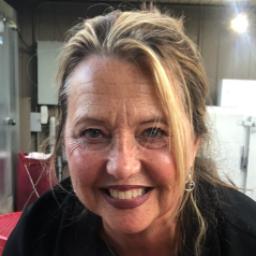
Michigan · 25 yrs exp
LMSW - Mood and trauma concerns
Stress, Anxiety · Trauma and abuse · Self esteem · Bipolar · +1 more
Read profile
Florida · 9 yrs exp
Licensed Mental Health Counselor - Women's issues, relationships
Stress, Anxiety · Self esteem · Depression · Coping with life changes · +2 more
Read profile
Pennsylvania · 21 yrs exp
LCSW - Relationships and life changes
Stress, Anxiety · Relationship · Grief · Depression · +1 more
Read profile
Colorado · 16 yrs exp
Licensed Professional Counselor - Anxiety and Trauma
Stress, Anxiety · LGBT · Trauma and abuse · Depression · +1 more
Read profile
Pennsylvania · 20 yrs exp
LCSW - Stress and Career Concerns
Stress, Anxiety · Relationship · Career · Depression · +1 more
Read profile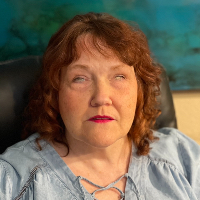
Texas · 16 yrs exp
Licensed Professional Counselor - Women's issues and relationships
Stress, Anxiety · Family · Parenting · Bipolar · +11 more
Read profile
Kentucky · 30 yrs exp
LCSW - Relationships and mood concerns
Relationship · Trauma and abuse · Bipolar · Depression · +1 more
Read profile
Florida · 20 yrs exp
LMFT - relationships and anxiety
Stress, Anxiety · LGBT · Relationship · Intimacy-related issues · +1 more
Read profileWhen you think about family of origin issues, you are considering patterns, histories and relationships that often shape how you experience yourself and your connections. Family dynamics from childhood and adolescence can influence stress responses, feelings about your body, identity questions, parenting choices and relationship expectations. That does not mean your past dictates your future; it means that exploring family history can be one pathway among others to understand recurring patterns and to identify what you want to change or preserve.
In searching for support, you may find that family themes show up alongside concerns about work-life balance, eating and body image, pregnancy and parenting transitions, or challenges in intimate relationships. Therapists who list family of origin issues among their focuses may describe working with topics such as parental estrangement, patterns of emotional neglect, intergenerational beliefs about gender roles, or the impact of cultural and religious family norms. If any of these ideas resonate, you can prioritize profiles that mention similar concerns so you can ask specific questions during an initial conversation.
This directory groups profiles that list family of origin issues as a specialty or additional focus area. A listed topic indicates that a clinician notes it among the reasons people seek them, but it is not a statement about certification or specific clinical outcomes. When you review a profile, look for clear descriptions of the clinician’s focus areas, the populations they mention, the languages they list, and their listed location. You should confirm the individual’s academic credentials and whether they also list a current professional license and the jurisdiction where that license applies.
A degree such as PhD, PsyD, MD, MA or MSW is an academic credential and does not in itself establish legal permission to practice. Licenses and registrations - for example acronyms you may see like LCSW, LPC, LMFT or similar state-level credentials - indicate permission to practice in a particular place. Before you begin work with anyone, verify that the clinician’s license allows them to work with you in your location and ask about the kinds of issues they address in practice.
When you contact a clinician or read a profile, it helps to have concrete questions that make it easier to compare approach and fit. Ask how the clinician describes their typical work with family of origin concerns and whether they have experience working with issues you care about, such as parental estrangement, adapting family expectations around gender, managing intergenerational trauma, or navigating family dynamics as a caregiver. You can also ask what ages and life stages they commonly work with, and whether they have experience supporting people across diverse cultural, racial, religious or immigrant backgrounds.
It is appropriate to ask about methods they commonly use in sessions while remembering that a profile listing of CBT, psychodynamic, narrative, somatic or EMDR indicates those are approaches some clinicians may list among their tools, not proof of certification. You can ask how they blend insight-oriented and skills-based work, how they support you in developing coping strategies, and how they might collaborate with other professionals if your situation involves medical or legal concerns. Concrete questions about experience help you weigh whether a clinician’s description aligns with what you want to address.
If you plan to connect remotely, discuss practical and safety details so you know what to expect. Ask about the clinician’s listed location and whether they are authorized to work with clients who live where you do. Talk about what to do in an emergency and whether the clinician has a plan for local crisis resources; if you are unsafe at home, call local emergency services or, in the United States, the National Domestic Violence Hotline at 1-800-799-7233, or the equivalent numbers and services in your country.
Before beginning sessions, discuss how your information will be handled, whether sessions may be recorded, the clinician’s policies on documentation and limits to information sharing, and how coordination with other providers would work if you request it. Clarify whether therapy is intended to complement medical care, reproductive health care or legal advice rather than replace those services, and ask how the clinician would refer you to a physician or specialist if needed.
When you compare profiles, pay attention to language that reflects focus areas you care about, such as parenting transitions, identity exploration, body image, work stress or relationship patterns linked to family history. Notice what terms clinicians use to describe their approach and ask direct questions like: Do you work with people navigating parental estrangement? How do you support someone dealing with patterns of emotional invalidation from their family? Which languages do you work in? Which academic degrees do you hold and what license or registration allows you to practice in the state or country listed on your profile?
Also consider the therapeutic style described in profiles. Some clinicians emphasize insight and exploration of family narratives, while others emphasize practical skills, emotion regulation or body-focused work. Therapists who list certain approaches among their tools may use techniques from those approaches selectively, so ask how they tailor their work to your goals. Finally, confirm the clinician’s stated communication style and session logistics so you can choose someone whose way of working feels like a good match for you.
Browsing profiles with a clear set of comparison questions helps you focus on fit rather than promises. Verify credentials, confirm permission to practice in your location, and reach out to clinicians whose descriptions align with your needs to ask the specific questions that matter to you. If you are in immediate danger, contact local emergency services or the National Domestic Violence Hotline at 1-800-799-7233 (US) or a local equivalent.
Alabama
82 therapists
Alaska
9 therapists
Arizona
75 therapists
Arkansas
32 therapists
California
564 therapists
Colorado
136 therapists
Connecticut
45 therapists
Delaware
14 therapists
District of Columbia
14 therapists
Florida
578 therapists
Georgia
153 therapists
Hawaii
20 therapists
Idaho
27 therapists
Illinois
190 therapists
Indiana
79 therapists
Iowa
29 therapists
Kansas
40 therapists
Kentucky
70 therapists
Louisiana
102 therapists
Maine
18 therapists
Maryland
92 therapists
Massachusetts
65 therapists
Michigan
163 therapists
Minnesota
48 therapists
Mississippi
54 therapists
Missouri
129 therapists
Montana
35 therapists
Nebraska
33 therapists
Nevada
38 therapists
New Hampshire
12 therapists
New Jersey
124 therapists
New Mexico
22 therapists
New York
311 therapists
North Carolina
222 therapists
North Dakota
9 therapists
Ohio
127 therapists
Oklahoma
95 therapists
Oregon
41 therapists
Pennsylvania
158 therapists
Rhode Island
9 therapists
South Carolina
105 therapists
South Dakota
7 therapists
Tennessee
97 therapists
Texas
617 therapists
Utah
41 therapists
Vermont
7 therapists
Virginia
117 therapists
Washington
61 therapists
West Virginia
17 therapists
Wisconsin
83 therapists
Wyoming
10 therapists