
Jennifer Scott
LICSW, LCSWMaine · 17 yrs exp
LICSW LCSW - Stress and Trauma care
Stress, Anxiety · Trauma and abuse · Grief · Depression · +1 more
Read profileUS therapists who list women's issues
Help nowTherapist listings come from BetterHelp. If you use our links to sign up, we will earn a commission at no extra cost to you.
Use this page to explore therapists grouped under the listed location Maine who include women's wellbeing among their focus areas. Compare focus areas, therapeutic approaches, languages and academic credentials, then browse profiles and confirm each individual's permission to work with you where you live.
Maine · 17 yrs exp
LICSW LCSW - Stress and Trauma care
Stress, Anxiety · Trauma and abuse · Grief · Depression · +1 more
Read profile
Maine · 7 yrs exp
LCSW - Women's health and maternal mental health
Stress, Anxiety · Relationship · Self esteem · Depression · +1 more
Read profile
Maine · 8 yrs exp
LCSW - Relationships and Trauma
Relationship · Family · Trauma and abuse · Parenting · +10 more
Read profile
Maine · 12 yrs exp
Licensed counselor - Stress and grief
Stress, Anxiety · Grief · Self esteem · Depression · +1 more
Read profile
Maine · 15 yrs exp
LCSW - Coping with life changes
Coping with life changes
Read profile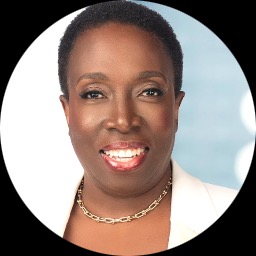
Maine · 20 yrs exp
Dr. Judith Josiah-Martin, LCSW - Stress and Self-esteem
Stress, Anxiety · Self esteem · Career · Coaching · +1 more
Read profile
Maine · 16 yrs exp
LCSW - stress and trauma support
Stress, Anxiety · Relationship · Trauma and abuse · Depression · +1 more
Read profile
Maine · 26 yrs exp
Licensed Clinical Social Worker - Trauma and Women's issues
Trauma and abuse · Parenting · Self esteem · Depression · +8 more
Read profile
Maine · 4 yrs exp
LCPC in Maine - Stress and Trauma
Stress, Anxiety · Trauma and abuse · Self esteem · Depression · +11 more
Read profile
Maine · 13 yrs exp
LICSW LCSW - Stress and Trauma
Stress, Anxiety · Trauma and abuse · Grief · Self esteem · +1 more
Read profile
Maine · 16 yrs exp
LCSW - Anxiety and Relationship Support
Stress, Anxiety · LGBT · Relationship · Trauma and abuse · +1 more
Read profile
Maine · 14 yrs exp
Licensed Clinical Social Worker - Anxiety and Depression
Stress, Anxiety · Self esteem · Bipolar · Depression · +1 more
Read profile
Maine · 30 yrs exp
Licensed Professional Counselor - Stress and Trauma
Stress, Anxiety · Trauma and abuse · Intimacy-related issues · Self esteem · +1 more
Read profile
Maine · 4 yrs exp
LCSW - Stress and mood concerns
Stress, Anxiety · Addictions · Trauma and abuse · Bipolar · +5 more
Read profile
Maine · 24 yrs exp
Licensed counselor - Relationships and trauma
Stress, Anxiety · Relationship · Trauma and abuse · Self esteem · +16 more
Read profile
Maine · 4 yrs exp
LCSW - Stress and Relationship Concerns
Stress, Anxiety · Relationship · Family · Parenting · +1 more
Read profile
Maine · 25 yrs exp
LCSW - Relationships and Trauma
Relationship · Trauma and abuse · Grief · Depression · +1 more
Read profile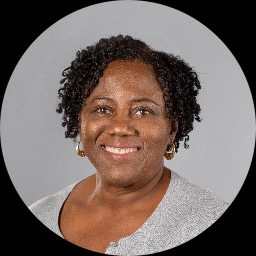
Maine · 10 yrs exp
LCSW - Stress and Relationship Concerns
Stress, Anxiety · Addictions · Grief · Self esteem · +2 more
Read profileWhen you begin searching, it helps to name the concerns you want to address. Stress, relationship changes, parenting questions, body image, career transitions and identity-related concerns can all feel connected, but they often benefit from different practical emphases in care. You can think about short-term priorities you have now and longer-term goals you might bring up in a first conversation. For example, you may be looking to learn coping skills for a busy season, to explore how old patterns show up in relationships, or to process changes after childbirth or a life transition. These descriptions give you concrete phrases to use when you scan a profile or send an introductory message.
Profiles on this site typically list focus areas and general approaches. A listed topic does not establish that a therapist treats children, couples, or families, so if you need care for a specific relationship or age group be sure to ask the clinician directly. Being clear about what you want to work on will help you compare profiles and choose which therapists to read more about.
Profiles are grouped under the listed location Maine, but a listed location does not automatically mean an office in that state or that a clinician has current permission to practice there. Some clinicians work from a regional base, others provide online care across state lines when permitted, and some list a location primarily for profile organization. Always check the therapist's individual profile for details, and confirm that they have the appropriate license or authorization to work with you in your state.
Academic degrees and professional licenses are different things. Degrees such as PhD, PsyD, MD, MA or MSW describe the level and type of academic training someone completed. Licenses or registrations indicate a professional body's permission to provide mental health services in a jurisdiction. A degree alone does not establish current permission to practice. When you read a profile, look for both degree information and any statements about licensure or where the clinician is authorized to work, and ask about licensure if it is not clear on the profile.
When you find profiles that seem like a fit, think about specific questions that will reveal whether a therapist's approach aligns with your needs. You can ask how a clinician describes their typical way of working, and what that looks like for someone with concerns like yours. If a profile lists EMDR among their approaches, for example, you can ask what that looks like in practice and for whom they find it most useful. Ask about their experience with women's health-related themes, such as postpartum adjustment, body image concerns, or navigating identity and culture. A direct question like "How many years have you worked with people addressing X?" or "Can you describe how you adapt your approach for someone dealing with Y?" helps you compare responses across profiles.
It is reasonable to ask about how they address intersectional factors such as race, sexual orientation, disability or religion in therapy. You can also inquire whether they commonly work with people in circumstances similar to yours and how they involve partners or family members when appropriate. Remember that a profile’s list of interests is not evidence of specialization; the therapist’s own description of their experience and approach will give you a clearer sense of fit.
If you plan to pursue online talk therapy, there are practical items to cover before you begin. Confirm that the clinician has permission to work with clients in your state and ask about any practical limits to the services they offer online. Talk about communication norms, such as how to contact them between sessions and what response to expect, and ask how they handle crisis situations. If you are unsafe at home or facing immediate danger, call emergency services right away and consider contacting the National Domestic Violence Hotline (US) or local equivalents for specialized support. Online talk therapy is not a substitute for medical, reproductive or legal care; if you have pregnancy concerns, physical symptoms or medication questions, those belong with a medical provider.
You should also discuss privacy practices and how session information is stored. Ask what technology platforms they use and whether they can describe the steps they take to protect your information. Clarify whether they keep written notes and how those records are managed, and confirm policies about cancellations or rescheduling so you understand the professional expectations before you start.
When you are comparing profiles, focus on the specific elements that matter to you. Look for clear language about the issues a clinician lists under women's wellbeing and read their description of how they approach those concerns. Pay attention to the languages they list as well, since being able to speak in the language you are most comfortable with can make a meaningful difference in how you express sensitive material. Academic credentials such as PhD, PsyD, MD, MA or MSW tell you about training background, but you should follow up about licensure and authorization to practice where you live. Profiles that mention experience with cultural, racial or sexual identity issues may indicate a clinician who prioritizes those areas, but ask how that experience shows up in their work rather than assuming a fit.
Therapeutic style is another important dimension to compare. Some clinicians describe their work as more directive and skills-oriented, while others emphasize exploration and reflection. You can ask for an example of a typical early session so you understand how a clinician starts the process. If you are looking for practical tools for stress or relationship management, describe that and ask how they would structure sessions around those goals. If you want an exploratory conversation about identity or life transitions, ask how they balance insight and practical change. Comparing how different profiles answer similar questions will help you identify clinicians whose stated approach and style match your needs.
Finally, remember to verify key facts before you decide to work with someone. Confirm the clinician's permission to practice in your state, ask any remaining questions about approach and experience, and trust your judgment about who feels like a good fit. Profiles are a starting point for the conversation, and the answers you get when you ask focused, practical questions will give you the best information to move forward.
Anger
1656 therapists
Chronic Illness
1319 therapists
Depression
4031 therapists
Domestic Violence
1563 therapists
Eating Disorders
536 therapists
Grief
2439 therapists
Guilt and Shame
3778 therapists
Intimacy Issues
1298 therapists
Isolation / Loneliness
3559 therapists
Midlife Crisis
2244 therapists
OCD
1027 therapists
Panic Disorder and Panic Attacks
2370 therapists
Post-Traumatic Stress
3199 therapists
Postpartum Depression
1542 therapists
Self Esteem
3902 therapists
Social Anxiety and Phobia
3093 therapists
Stress & Anxiety
4767 therapists
Trauma and Abuse
3141 therapists
Attachment Issues
2705 therapists
Blended Family Issues
1787 therapists
Body Image
1997 therapists
Career
1580 therapists
Caregiver Issues and Stress
2943 therapists
Codependency
2172 therapists
Communication Problems
4270 therapists
Coping with Life Changes
3482 therapists
Divorce
2927 therapists
Family
2221 therapists
Family of Origin Issues
1903 therapists
Fertility Issues
684 therapists
Infidelity
1585 therapists
Life Purpose
3968 therapists
Money and Financial Issues
1523 therapists
Parenting
1726 therapists
Pregnancy
1496 therapists
Relationship
3404 therapists
Self-Love
4167 therapists
Workplace Issues
3033 therapists