
Kendall Wadsworth
LPCTexas · 5 yrs exp
LPC in Texas - Relationship and Trauma support
Relationship · Family · Trauma and abuse · Grief · +10 more
Read profileUS therapists who list women's issues
Help nowTherapist listings come from BetterHelp. If you use our links to sign up, we will earn a commission at no extra cost to you.
You can compare therapists who list Fertility Issues and women's wellbeing by focus areas, approach, languages and credentials at their listed location. Browse profiles below to read bios, note practice style and reach out to someone who may fit your needs.
Texas · 5 yrs exp
LPC in Texas - Relationship and Trauma support
Relationship · Family · Trauma and abuse · Grief · +10 more
Read profile
Missouri · 11 yrs exp
LCSW - Grief and life changes
Grief · Anger · Self esteem · Career · +1 more
Read profile
New York · 8 yrs exp
Licensed Mental Health Counselor - Mood and Stress
Stress, Anxiety · Trauma and abuse · Grief · Bipolar · +1 more
Read profile
California · 40 yrs exp
LCSW LPCC - Stress and Parenting
Stress, Anxiety · Trauma and abuse · Parenting · Coping with life changes
Read profile
Illinois · 7 yrs exp
LCPC - Relationships and Mood Support
Stress, Anxiety · Relationship · Trauma and abuse · Self esteem · +1 more
Read profile
Pennsylvania · 20 yrs exp
LCSW - Stress and Career Concerns
Stress, Anxiety · Relationship · Career · Depression · +1 more
Read profile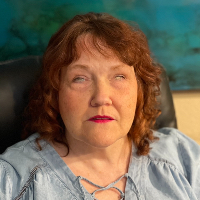
Texas · 16 yrs exp
Licensed Professional Counselor - Women's issues and relationships
Stress, Anxiety · Family · Parenting · Bipolar · +11 more
Read profile
Louisiana · 6 yrs exp
Licensed Professional Counselor - Relationships and Family
Relationship · Family · Self esteem · Depression · +1 more
Read profile
Ohio · 25 yrs exp
LCSW LISW - Stress and Trauma
Stress, Anxiety · Trauma and abuse · Self esteem · Depression · +8 more
Read profile
Florida · 22 yrs exp
Licensed counselor - Anxiety and relationships
Stress, Anxiety · Relationship · Family · Trauma and abuse · +10 more
Read profile
Michigan · 14 yrs exp
Licensed Master Social Worker - Stress and Anxiety
Stress, Anxiety · Addictions · LGBT · Grief · +1 more
Read profile
Kentucky · 11 yrs exp
Licensed clinical social worker - Women's issues focus
Stress, Anxiety · LGBT · Relationship · Trauma and abuse · +1 more
Read profile
Florida · 10 yrs exp
LMHC in Florida - Stress and Relationships
Stress, Anxiety · Relationship · Parenting · Self esteem · +1 more
Read profile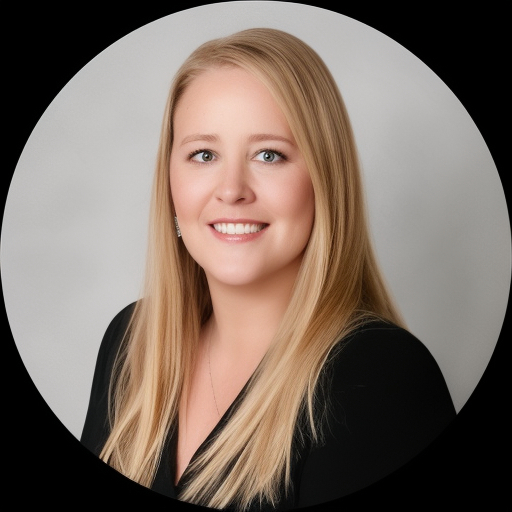
Illinois · 5 yrs exp
LCSW - Stress and anxiety support
Stress, Anxiety · Self esteem · Depression · Coping with life changes · +1 more
Read profile
Georgia · 8 yrs exp
LPC in Georgia - relationships and trauma
LGBT · Relationship · Trauma and abuse · Self esteem · +14 more
Read profile
California · 26 yrs exp
Licensed Clinical Social Worker - Relationships and Life Changes
Stress, Anxiety · Relationship · Self esteem · Coping with life changes
Read profile
Kentucky · 5 yrs exp
Licensed Clinical Social Worker - Family and Parenting
Family · Parenting · Career · Coping with life changes · +1 more
Read profile
New York · 15 yrs exp
Licensed Clinical Social Worker - Anxiety and Life Change
Stress, Anxiety · Relationship · Grief · Depression · +3 more
Read profile
California · 7 yrs exp
Licensed Marriage and Family Therapist - Relationships and Anxiety
Stress, Anxiety · Relationship · Grief · Self esteem · +1 more
Read profile
Kentucky · 6 yrs exp
Licensed counselor - Women's issues and relationships
Stress, Anxiety · Relationship · Family · Trauma and abuse · +3 more
Read profile
Florida · 7 yrs exp
LCSW - Stress and Relationship Support
Stress, Anxiety · Relationship · Family · Grief · +1 more
Read profile
Montana · 20 yrs exp
LMFT - Stress and trauma focus
Stress, Anxiety · Trauma and abuse · Grief · Career · +1 more
Read profile
California · 40 yrs exp
California LMFT - Relationships and Mood
Stress, Anxiety · Relationship · Eating · Self esteem · +1 more
Read profile
Florida · 15 yrs exp
Licensed Clinical Social Worker - Women's issues and relationships
Stress, Anxiety · Relationship · Self esteem · Depression · +11 more
Read profileFertility questions and treatments often touch many parts of life - emotional balance, relationships, work, body image and identity. You may find that cycles of hope and disappointment change how you plan for the future, how you connect with partners or family members, or how you feel about your body. Those reactions are common responses to a challenging and often personal process. Many people also experience grief, anxiety about medical procedures, or stress when balancing appointments and fertility-related decisions with work and caregiving responsibilities.
When you look for someone to talk with, it helps to remember that talk therapy is not a substitute for medical care. Pregnancy concerns, physical symptoms and medication are matters for your physician or reproductive specialist. What a therapist can offer is a place to explore how the process is affecting your mood, relationships and choices, to develop ways to manage stress, and to support decision-making that aligns with your values. If you are feeling unsafe at home, in immediate danger or worried about abuse, call 911 or your local emergency services right away. If you are facing partner violence and are in the United States, you can call the National Domestic Violence Hotline at 1-800-799-7233 or text START to 88788. If you are elsewhere, seek your local emergency and crisis resources.
On this site, a profile may list Fertility Issues among areas of focus because the therapist has chosen to include that topic in their profile. That listing indicates an interest or a stated focus, not a credential, a guarantee of training, or evidence of particular outcomes. The same is true when profiles list women's wellbeing or other related focuses. You should read each profile to understand how the therapist describes their work, what populations they mention, and which approaches they list as options to discuss.
Because profiles vary, you should pay attention to the language therapists use. Some may describe experience with the emotional impact of infertility, pregnancy loss, assisted reproductive technologies, or pelvic health concerns. Others may emphasize relationship work, identity or coping strategies for medical procedures. None of this listing establishes that a therapist treats children, couples or families unless they explicitly state that scope, so it is important to raise those questions directly when you contact someone. Also verify whether the clinician holds a current license and is permitted to practice in your state or jurisdiction, since academic degrees such as PhD, PsyD, MD, MA or MSW are distinct from professional licenses or registrations.
When you review profiles, consider concrete questions you can ask to assess fit. You might ask how the therapist describes their experience with fertility-related concerns and what types of issues they commonly support - for example, coping with loss, decision-making around treatment options, or relationship strain. Ask which therapeutic approaches they list and how they adapt those approaches for fertility-related stress. Remember to frame approaches as options to discuss rather than proof of formal training; for instance, you can ask if they commonly incorporate approaches such as emotionally focused work, cognitive methods for anxiety, or somatic supports, and how they tailor these to people facing reproductive questions.
It is also helpful to check whether the therapist works with individuals, couples or other configurations, and whether they have experience across different family structures, ages and cultural backgrounds. Ask about languages spoken or cultural competencies that are important to you. Clarify whether they coordinate with medical teams when needed and how they handle boundaries around medical advice - therapists do not provide medical or legal guidance, so you can ask how they prefer to work alongside your physician or reproductive specialist. And always confirm licensure and permission to practice in your state, since a degree alone does not establish current permission to provide care where you live.
If you intend to connect remotely, discuss the technological and practical details up front. Ask what video platforms or phone methods they use and what to expect if a connection drops. Talk about how they handle privacy and record keeping, and get a clear explanation of policies for missed sessions, cancellations and communication between appointments. You should also ask about emergency procedures - how the therapist will respond if you have an urgent concern during a remote session and what local resources they recommend if you need immediate help. If you are in immediate danger, call 911 or local emergency services and use national or local crisis hotlines as needed.
Before beginning care, let the therapist know about concurrent medical treatments, medications or specialists involved in your fertility care. Discussing how you want the therapist to coordinate with your medical team - with your consent - can help prevent misunderstandings and support more integrated care. If you have concerns about how therapy might intersect with reproductive decisions or medical appointments, raise those topics early so you can both set clear goals and expectations. Remember that therapy is for emotional support and coping strategies and does not replace reproductive medical care or legal advice.
When comparing profiles, look for details that matter to you. Focus area descriptions show whether a therapist mentions grief after pregnancy loss, stress during fertility treatments, body image related to reproductive change, or relationship work tied to parenting decisions. Languages listed on a profile can be crucial if you prefer to speak in your native language or in terminology that feels most accurate to you. Credentials and professional designations are helpful to note, but distinguish degrees from licenses - a PhD, PsyD, MD, MA or MSW indicates academic attainment while a license, registration or certification indicates current permission to practice in a given jurisdiction. Ask directly about licensure during your initial contact so you know the therapist is authorized to work with you where you live.
Your impression of a therapist's style also matters. Some profiles describe a more directive approach, while others emphasize collaborative exploration or skills-based work for anxiety and stress. Consider what has helped you in other forms of support - whether you prefer practical coping tools, a more narrative or exploratory process, or explicit attention to relationships and communication. Profiles may mention additional areas such as women's wellbeing, career or parenting concerns; use those mentions to identify therapists whose broader focus aligns with your needs. Finally, remember to verify any important eligibility details directly with the clinician, and to ask whether they work with the particular aspects of fertility care that are most relevant to your situation.
As you move from reading profiles to reaching out, prepare a short list of priorities and questions so you can quickly assess fit in an initial conversation. Confirm licensure and permission to practice in your location, clarify how the therapist approaches fertility-related concerns, and share any medical or safety considerations that might affect your work together. Use the profile information to narrow options by focus, approach and style, and then contact those whose descriptions most closely match what you need. This directory is a place to compare profiles and begin conversations; the best next step is to speak directly with a therapist to learn how they might support you through the specific challenges you face.
Alabama
82 therapists
Alaska
9 therapists
Arizona
75 therapists
Arkansas
32 therapists
California
564 therapists
Colorado
136 therapists
Connecticut
45 therapists
Delaware
14 therapists
District of Columbia
14 therapists
Florida
578 therapists
Georgia
153 therapists
Hawaii
20 therapists
Idaho
27 therapists
Illinois
190 therapists
Indiana
79 therapists
Iowa
29 therapists
Kansas
40 therapists
Kentucky
70 therapists
Louisiana
102 therapists
Maine
18 therapists
Maryland
92 therapists
Massachusetts
65 therapists
Michigan
163 therapists
Minnesota
48 therapists
Mississippi
54 therapists
Missouri
129 therapists
Montana
35 therapists
Nebraska
33 therapists
Nevada
38 therapists
New Hampshire
12 therapists
New Jersey
124 therapists
New Mexico
22 therapists
New York
311 therapists
North Carolina
222 therapists
North Dakota
9 therapists
Ohio
127 therapists
Oklahoma
95 therapists
Oregon
41 therapists
Pennsylvania
158 therapists
Rhode Island
9 therapists
South Carolina
105 therapists
South Dakota
7 therapists
Tennessee
97 therapists
Texas
617 therapists
Utah
41 therapists
Vermont
7 therapists
Virginia
117 therapists
Washington
61 therapists
West Virginia
17 therapists
Wisconsin
83 therapists
Wyoming
10 therapists