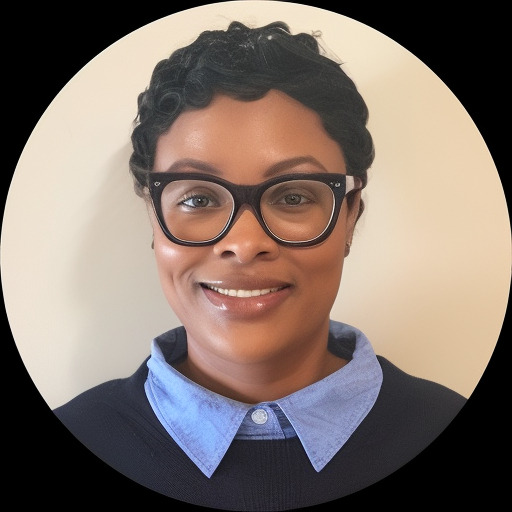
Chanel Day
LMHCNew York · 8 yrs exp
Licensed Mental Health Counselor - Mood and Stress
Stress, Anxiety · Trauma and abuse · Grief · Bipolar · +1 more
Read profileUS therapists who list women's issues
Help nowTherapist listings come from BetterHelp. If you use our links to sign up, we will earn a commission at no extra cost to you.
Explore profiles of therapists at the listed location New York who indicate a focus on women's wellbeing. Compare focus areas, therapeutic approaches, languages, professional degrees and practice style to find a fit that feels right.
Open any profile to learn more and confirm the therapist's permission to work with you where you live before you reach out.
New York · 8 yrs exp
Licensed Mental Health Counselor - Mood and Stress
Stress, Anxiety · Trauma and abuse · Grief · Bipolar · +1 more
Read profile
New York · 20 yrs exp
Licensed Mental Health Counselor - Stress and Relationships
Stress, Anxiety · Relationship · Family · Depression · +1 more
Read profile
New York · 8 yrs exp
Licensed Mental Health Counselor - Anxiety and Trauma
Stress, Anxiety · Relationship · Trauma and abuse · Depression · +1 more
Read profile
New York · 7 yrs exp
LMHC in New York - Stress and Addictions
Stress, Anxiety · Addictions · Trauma and abuse · Anger · +1 more
Read profile
New York · 25 yrs exp
Licensed Clinical Social Worker - Stress and Trauma
Stress, Anxiety · Trauma and abuse · Self esteem · Depression · +11 more
Read profile
New York · 15 yrs exp
Licensed Clinical Social Worker - Anxiety and Life Change
Stress, Anxiety · Relationship · Grief · Depression · +3 more
Read profile
New York · 25 yrs exp
Licensed Clinical Social Worker - Relationships and Stress
Stress, Anxiety · Relationship · Self esteem · Depression · +7 more
Read profile
New York · 9 yrs exp
LMHC - Stress and Relationships
Stress, Anxiety · Relationship · Parenting · Self esteem · +1 more
Read profile
New York · 11 yrs exp
LCSW and LISW - Trauma and Family support
Family · Trauma and abuse · Parenting · Bipolar · +11 more
Read profile
New York · 20 yrs exp
Licensed Clinical Social Worker - trauma and relationships
Addictions · Family · Trauma and abuse · Grief · +1 more
Read profile
New York · 30 yrs exp
LCSW-R in New York - Stress and Women's issues
Stress, Anxiety · Self esteem · Career · Depression · +1 more
Read profile
New York · 8 yrs exp
LCSW - Stress and Family concerns
Stress, Anxiety · Family · Self esteem · Depression · +1 more
Read profile
New York · 6 yrs exp
LCSW - Stress and Mood Concerns
Stress, Anxiety · Addictions · Self esteem · Bipolar · +1 more
Read profile
New York · 7 yrs exp
LCSW - Women's issues and anxiety
Stress, Anxiety · Trauma and abuse · Parenting · Self esteem · +1 more
Read profile
New York · 22 yrs exp
LCSW - Women's issues and life transitions
Stress, Anxiety · Family · Trauma and abuse · Anger · +8 more
Read profile
New York · 25 yrs exp
LCSW-R in New York - Stress and family concerns
Stress, Anxiety · Family · Grief · Parenting · +1 more
Read profile
New York · 31 yrs exp
LCSW - Relationships and Mood concerns
Stress, Anxiety · Relationship · Trauma and abuse · Self esteem · +1 more
Read profile
New York · 5 yrs exp
LCSW - Stress and relationship concerns
Stress, Anxiety · Relationship · Family · Self esteem · +1 more
Read profile
New York · 27 yrs exp
LCSW - Stress and relationship concerns
Stress, Anxiety · Relationship · Trauma and abuse · Self esteem · +1 more
Read profile
New York · 20 yrs exp
LMHC in New York - Mood and stress concerns
Stress, Anxiety · Career · Bipolar · Depression · +1 more
Read profile
New York · 4 yrs exp
Licensed Mental Health Counselor - Stress and Anxiety
Stress, Anxiety · Self esteem · Career · Coping with life changes · +1 more
Read profile
New York · 4 yrs exp
LMHC - Stress and Trauma Counseling
Stress, Anxiety · Trauma and abuse · Parenting · Depression · +1 more
Read profile
New York · 19 yrs exp
LMHC in New York - Stress and Relationship Work
Stress, Anxiety · LGBT · Relationship · Career · +1 more
Read profile
New York · 5 yrs exp
Licensed Mental Health Counselor - Anxiety and Trauma
Stress, Anxiety · Addictions · Family · Trauma and abuse · +1 more
Read profileWhen you begin searching, take a moment to name the concerns that matter most to you. You might be looking for support with stress at work, changes in relationships, parenting challenges, body image and eating concerns, perinatal issues, or questions about identity and life transitions. Naming the priorities that feel most urgent will help you read profiles with a clear purpose. Look at how a profile describes focus areas and the way the clinician talks about populations they work with. You can use that language to match your needs - for example, notice whether a therapist lists perinatal mental health, career-related stress, trauma, or body image among their focus areas, and whether they describe experience with issues similar to yours.
Profiles often include statements about therapy style and the kinds of problems the therapist sees. Those descriptions can help you predict whether a clinician's approach might fit your way of working. Pay attention to phrasing about collaborative goal-setting, emotion-focused work, practical coping skills, or depth-oriented exploration. None of these labels guarantees a particular outcome, but they give you concrete points to compare as you review profiles in the listed location New York and decide which profiles to read more closely.
The directory groups profiles under the listed location New York, but that grouping does not by itself establish that a therapist has an office or current permission to practice in every place. You should open individual profiles to find more detail about where a therapist says they work and then confirm directly whether they are permitted to provide services to you in your state or jurisdiction. Licensure and permission to practice are different from academic degrees. Degrees such as PhD, PsyD, MD, MA or MSW tell you about formal education, while professional licenses or registrations indicate the authorization to provide clinical services in a given place. A degree alone does not establish current permission to practice where you live, so it is important to ask about the therapist's active license, the state where it applies, and whether they are legally able to work with you if you are in New York or another state.
When reviewing a profile, look for clear references to licensure type and location, and if that information is not present, contact the clinician to ask. You might say, "Can you confirm your current license and whether you are authorized to provide care to someone living in New York?" Keeping this distinction in mind will help you make an informed decision based on both education and legal permission to practice.
Profiles often list therapeutic approaches and areas of focus, but those listings are not evidence of certification or guaranteed experience. If an approach matters to you, ask the therapist directly about how they use it in practice. You can phrase questions like, "I saw you list cognitive and emotion-focused approaches among your methods - how do you typically work with someone dealing with relationship stress or body image concerns?" If you are curious about trauma-informed care, you could ask, "How do you adapt your approach for someone who has a history of trauma and is concerned about feeling overwhelmed in sessions?" These kinds of specific questions will give you a sense of how the clinician thinks about and applies different approaches.
Also ask about direct experience with the concerns you brought up. A useful question is, "Have you worked with people facing X issue recently, and what tended to be helpful for them?" Replace X with things like parenting transitions, perinatal mood changes, chronic work stress, or identity exploration. Remember that a profile entry noting a topic does not necessarily indicate work with children, couples, or families, so if that matters to you be explicit and ask whether they treat the particular relationship structure or age group you need. These conversations are about fit and approach, not guarantees about outcome.
If you plan to connect remotely, there are a few practical points to discuss before starting. Talk with the therapist about how they handle session logistics - for example, what platform or method they use, what the procedure is if the connection drops, and how they address recording or note-taking. It is important to agree on boundaries around communication between sessions, including how to reach the clinician in non-emergency situations. Because online care crosses geographic lines, reconfirm whether the clinician has permission to work with you in your current location and what that means for ongoing sessions if you travel.
You should also plan for safety. If you are ever in immediate danger, call 911 or your local emergency services. If you or someone in your life is experiencing domestic violence, you can call the National Domestic Violence Hotline at 1-800-799-7233 or text LOVEIS to 22522 to reach trained advocates. Keep in mind that online talk therapy is not a substitute for medical care, reproductive health services, or legal advice. For pregnancy-related concerns, physical symptoms, medication questions, or emergencies you should seek appropriate medical or legal professionals. Clarifying these boundaries ahead of time will help you enter care with clear expectations.
Comparing profiles means looking at several dimensions together. Start with focus areas - do they list the topics you want to address, such as body image, parenting stress, work and career pressure, relationship transitions, or identity-related concerns? Then look at language options and cultural fit. If communicating in a specific language matters to you, check whether the clinician lists that language among those they use in session. Language ability can shape how comfortable you feel expressing nuance and emotion.
Next consider credentials and how they map onto the services described. A profile that lists a PhD or PsyD indicates a doctoral degree, while an MA or MSW indicates a master's level education. Those degrees are distinct from licensure, and you should ask about the license type and the state where it is active. Finally, attend to practice style and the way the clinician describes the therapy relationship. Do they emphasize structured skills work, reflective exploration, short-term problem solving, or longer-term insight-oriented work? Ask questions like, "What do you expect from clients early in therapy? How do you measure progress?" and "How do you adapt your approach for someone seeking support with X?" Those comparative questions help you move from broad profile descriptions to concrete expectations about what working together might feel like.
As you browse profiles in the listed location New York, keep in mind that the best match is the one where you feel understood and able to speak freely about what matters. Use profiles to narrow your options, then reach out to ask direct questions about licensure, scope of practice, approach and experience. Confirming a therapist's permission to work with you where you live is an important step before beginning care. When safety is a concern, prioritize emergency services and the National Domestic Violence Hotline or local equivalents. Take your time comparing focus areas, languages and professional credentials, and choose the profile that aligns most closely with the support you want to pursue.
Anger
1656 therapists
Chronic Illness
1319 therapists
Depression
4031 therapists
Domestic Violence
1563 therapists
Eating Disorders
536 therapists
Grief
2439 therapists
Guilt and Shame
3778 therapists
Intimacy Issues
1298 therapists
Isolation / Loneliness
3559 therapists
Midlife Crisis
2244 therapists
OCD
1027 therapists
Panic Disorder and Panic Attacks
2370 therapists
Post-Traumatic Stress
3199 therapists
Postpartum Depression
1542 therapists
Self Esteem
3902 therapists
Social Anxiety and Phobia
3093 therapists
Stress & Anxiety
4767 therapists
Trauma and Abuse
3141 therapists
Attachment Issues
2705 therapists
Blended Family Issues
1787 therapists
Body Image
1997 therapists
Career
1580 therapists
Caregiver Issues and Stress
2943 therapists
Codependency
2172 therapists
Communication Problems
4270 therapists
Coping with Life Changes
3482 therapists
Divorce
2927 therapists
Family
2221 therapists
Family of Origin Issues
1903 therapists
Fertility Issues
684 therapists
Infidelity
1585 therapists
Life Purpose
3968 therapists
Money and Financial Issues
1523 therapists
Parenting
1726 therapists
Pregnancy
1496 therapists
Relationship
3404 therapists
Self-Love
4167 therapists
Workplace Issues
3033 therapists