
Christi Rowe
LPCTexas · 3 yrs exp
Licensed Professional Counselor - Women's issues, Anxiety
Stress, Anxiety · Addictions · Eating · Self esteem · +1 more
Read profileUS therapists who list women's issues
Help nowTherapist listings come from BetterHelp. If you use our links to sign up, we will earn a commission at no extra cost to you.
Compare therapist profiles that list eating disorders and women's wellbeing to identify approaches, credentials, languages, and listed location that match your needs. Browse the profiles below to learn how each therapist describes their focus and professional background.
Texas · 3 yrs exp
Licensed Professional Counselor - Women's issues, Anxiety
Stress, Anxiety · Addictions · Eating · Self esteem · +1 more
Read profile
Texas · 29 yrs exp
Licensed Professional Counselor - Relationships and Mood
Relationship · Eating · Self esteem · Depression · +3 more
Read profile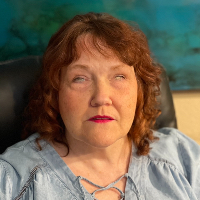
Texas · 16 yrs exp
Licensed Professional Counselor - Women's issues and relationships
Stress, Anxiety · Family · Parenting · Bipolar · +11 more
Read profile
Ohio · 25 yrs exp
LCSW LISW - Stress and Trauma
Stress, Anxiety · Trauma and abuse · Self esteem · Depression · +8 more
Read profile
Texas · 3 yrs exp
LPC counselor - Relationships and life changes
Stress, Anxiety · Relationship · Trauma and abuse · Self esteem · +16 more
Read profile
Washington · 5 yrs exp
Washington LMHC - Women's issues and trauma
Stress, Anxiety · Relationship · Trauma and abuse · Eating · +1 more
Read profile
Texas · 3 yrs exp
LPC in Texas - Trauma and Addiction
Addictions · Trauma and abuse · Grief · Self esteem · +9 more
Read profile
Texas · 11 yrs exp
Licensed Professional Counselor - Trauma and Anxiety
Stress, Anxiety · Trauma and abuse · Grief · Bipolar · +13 more
Read profile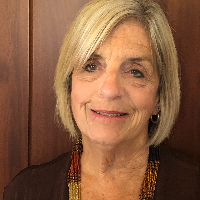
Michigan · 18 yrs exp
Licensed Professional Counselor - Stress and Relationships
Stress, Anxiety · Relationship · Family · Trauma and abuse · +16 more
Read profile
Georgia · 8 yrs exp
LPC in Georgia - relationships and trauma
LGBT · Relationship · Trauma and abuse · Self esteem · +14 more
Read profile
Texas · 7 yrs exp
LPC in Texas - Anxiety and Addictions
Stress, Anxiety · Addictions · Relationship · Trauma and abuse · +13 more
Read profile
Missouri · 27 yrs exp
Licensed counselor - Women's issues and life changes
Stress, Anxiety · Grief · Self esteem · Depression · +15 more
Read profile
Missouri · 4 yrs exp
Licensed Professional Counselor - Stress and Anxiety
Stress, Anxiety · Addictions · Trauma and abuse · Depression · +16 more
Read profile
Ohio · 25 yrs exp
Ohio LISW - Addictions and Relationships
Addictions · Relationship · Grief · Self esteem · +12 more
Read profile
New Mexico · 25 yrs exp
LCSW-R in New Mexico - Trauma and family concerns
Family · Trauma and abuse · Intimacy-related issues · Eating · +1 more
Read profile
Wisconsin · 13 yrs exp
LCSW - relationships and stress
Stress, Anxiety · Relationship · Family · Parenting · +13 more
Read profile
Montana · 10 yrs exp
LCPC counselor - Stress and trauma
Stress, Anxiety · Trauma and abuse · Grief · Self esteem · +13 more
Read profile
Alabama · 41 yrs exp
Licensed Professional Counselor - Stress and Trauma
Stress, Anxiety · Addictions · Trauma and abuse · Self esteem · +14 more
Read profile
California · 40 yrs exp
California LMFT - Relationships and Mood
Stress, Anxiety · Relationship · Eating · Self esteem · +1 more
Read profile
New Mexico · 25 yrs exp
LCSW - Stress and Relationship Concerns
Stress, Anxiety · Trauma and abuse · Anger · Depression · +16 more
Read profile
Nebraska · 14 yrs exp
Licensed counselor - Anxiety and Mood Issues
Stress, Anxiety · Grief · Bipolar · Depression · +13 more
Read profile
Illinois · 12 yrs exp
LCPC - Stress and Addictions
Stress, Anxiety · Addictions · Trauma and abuse · Eating · +1 more
Read profile
Colorado · 7 yrs exp
Licensed Clinical Social Worker - Relationships and Trauma
Stress, Anxiety · Relationship · Trauma and abuse · Self esteem · +15 more
Read profile
Wisconsin · 30 yrs exp
LCSW - Stress and mood concerns
Stress, Anxiety · Grief · Eating · Self esteem · +1 more
Read profileYou may be noticing patterns around eating, exercise, body image, or routines that feel disruptive to your day-to-day life, relationships, work, parenting, or sense of self. Many people seeking support describe increased stress, changes in appetite, cycles of restriction and overeating, or distress about body image. Those concerns can intersect with other life changes - pregnancy, parenting, career transitions, relationship shifts, or identity exploration - and you deserve to explore them in ways that feel respectful of your experience.
Online therapy profiles on this site show therapists who list eating disorders among their focus areas, but a listed topic does not by itself document a specialist credential or guarantee a particular approach. If you have physical symptoms, are pregnant, are taking medication, or have medical risks related to eating, it is important to consult your medical provider. If you feel unsafe at home or are in immediate danger, call local emergency services or 911. If you are not safe at home and need help, you can call the National Domestic Violence Hotline at 1-800-799-7233 or your local equivalent.
Eating concerns often sit alongside other aspects of women's wellbeing - stress from work, relationship dynamics, caregiving responsibilities, or questions about gender and identity. You might notice symptoms that feel linked to a recent life transition, ongoing pressures around appearance, or longstanding coping strategies that once helped but now feel limiting. When you look at profiles, consider how a therapist describes the intersections they address. Some therapists will note women's issues as an additional focus area alongside eating concerns, which can be helpful if you want someone who understands the broader context of your life.
It is also useful to remember that correlation does not imply cause. Eating issues can be influenced by many factors - biological, psychological, social, and cultural. A profile that lists both eating concerns and other women's issues suggests that a therapist notices these connections in their work, but it does not indicate a specific diagnosis, treatment outcome, or a single pathway to recovery. Use profiles to identify practitioners whose stated focus areas align with what you hope to address, and plan to ask direct questions about their experience and approach.
When you review profiles, prepare concrete questions that will help you determine whether a therapist's approach and experience match your needs. You might ask how they typically work with people who report similar symptoms, whether they have experience addressing concerns that intersect with pregnancy, parenting, or career stress, and what kinds of goals they help people set. Phrase inquiries about therapeutic methods as options to discuss - for example, ask whether they use cognitive-behavioral strategies, narrative work, family systems ideas, or experiential approaches, and request examples of how those approaches might be applied in sessions. Remember to use careful wording such as therapists who list EMDR among their approaches rather than assuming everyone uses a particular method.
Clarify the distinction between academic degrees and professional permission to practice. A profile may list degrees such as PhD, PsyD, MD, MA, or MSW, which tell you about educational background. Ask directly about current licensure or registration and the jurisdictions in which a therapist is permitted to practice, because a degree alone does not establish legal permission to provide care in your location. You may also want to ask whether they have worked with people across different life stages and identities, and whether they coordinate care with medical providers, dietitians, or other specialists when that is relevant to your situation.
Before beginning online sessions, there are practical and clinical topics to review so you know what to expect. Discuss information-sharing boundaries practices and privacy safeguards in general terms, the technology platforms they use, and how records are maintained. Ask about emergency planning - specifically, what a therapist's process is if you express thoughts of harming yourself or others, how they handle situations when you are located in a different state or country, and whether they require local emergency contact information. If you are pregnant or have medical concerns related to eating, clarify how they work alongside your medical team and whether they recommend in-person medical monitoring.
You should also talk about scope of practice. A therapist can explain whether they work individually with adults only, or also with adolescents, couples, or families. A listed topic does not necessarily mean a therapist treats every population, so ask directly whether they have experience with the age group or relationship context you are seeking. If you face safety concerns at home, raise those during your initial conversation so the therapist can identify appropriate resources and next steps. Always verify that the therapist holds current permission to practice in your state or country before proceeding with clinical work.
When you compare profiles, look at how therapists describe their focus areas and the language they use to talk about eating concerns and women's wellbeing. Some profiles will emphasize body-image work, others will highlight coping with stress or life transitions, and others will mention coordinated care with medical professionals. Consider the populations they mention - adult women, reproductive health, parenting, or identity-related concerns - and think about whether those notes align with what you want to address.
Languages spoken can be a practical factor in connection. If you prefer therapy in a language other than English, use the language information in profiles to narrow your options. Credentials listed on a profile tell you about education and professional standing, but remember that degrees such as PhD, PsyD, MD, MA, and MSW describe academic preparation, while a license or registration indicates legal permission to practice. If you see a therapy approach listed, take it as something to discuss rather than a guarantee of training - for example, you can ask for examples of how a therapist who lists acceptance and commitment ideas might structure a session or homework.
Therapeutic style is often described in a profile's narrative. Some therapists present their work as more directive and skills-focused, while others emphasize exploration and relational discovery. Read the wording in profiles and note phrases that resonate with your preferences, then craft comparison questions such as: How do you structure a typical first three sessions? How do you set collaborative goals with clients? How do you approach coordination with medical or nutritional providers when eating concerns involve health risks? These concrete questions will help you move from curiosity to clarity about which profiles merit further conversation.
As you move from reading profiles to making contact, keep in mind that the profile is a starting point. Use it to identify areas for discussion and to prepare the questions that matter most to you. Verify the therapist's permission to practice in your listed location and ask about their experience with the particular life context you bring. For medical issues, pregnancy, medication, or urgent health concerns, consult a doctor. If you feel unsafe, contact local emergency services or call the National Domestic Violence Hotline at 1-800-799-7233 or your local equivalent. Taking these steps can help you find a match that fits your needs and priorities as you seek support for eating concerns and women's wellbeing.
Alabama
82 therapists
Alaska
9 therapists
Arizona
75 therapists
Arkansas
32 therapists
California
564 therapists
Colorado
136 therapists
Connecticut
45 therapists
Delaware
14 therapists
District of Columbia
14 therapists
Florida
578 therapists
Georgia
153 therapists
Hawaii
20 therapists
Idaho
27 therapists
Illinois
190 therapists
Indiana
79 therapists
Iowa
29 therapists
Kansas
40 therapists
Kentucky
70 therapists
Louisiana
102 therapists
Maine
18 therapists
Maryland
92 therapists
Massachusetts
65 therapists
Michigan
163 therapists
Minnesota
48 therapists
Mississippi
54 therapists
Missouri
129 therapists
Montana
35 therapists
Nebraska
33 therapists
Nevada
38 therapists
New Hampshire
12 therapists
New Jersey
124 therapists
New Mexico
22 therapists
New York
311 therapists
North Carolina
222 therapists
North Dakota
9 therapists
Ohio
127 therapists
Oklahoma
95 therapists
Oregon
41 therapists
Pennsylvania
158 therapists
Rhode Island
9 therapists
South Carolina
105 therapists
South Dakota
7 therapists
Tennessee
97 therapists
Texas
617 therapists
Utah
41 therapists
Vermont
7 therapists
Virginia
117 therapists
Washington
61 therapists
West Virginia
17 therapists
Wisconsin
83 therapists
Wyoming
10 therapists