
Kathryn Miller
LPCTexas · 5 yrs exp
LPC in Texas - Stress and Relationship Concerns
Stress, Anxiety · Grief · Depression · Coping with life changes · +8 more
Read profileUS therapists who list women's issues
Help nowTherapist listings come from BetterHelp. If you use our links to sign up, we will earn a commission at no extra cost to you.
This page groups profiles of therapists who list blended family issues alongside women's wellbeing as areas of focus. Use the listings to compare focus areas, approaches, languages, and credentials, then browse profiles to learn more about potential matches.
Texas · 5 yrs exp
LPC in Texas - Stress and Relationship Concerns
Stress, Anxiety · Grief · Depression · Coping with life changes · +8 more
Read profile
Illinois · 6 yrs exp
LCSW - Stress and relationship concerns
Stress, Anxiety · Self esteem · LGBT · Relationship · +5 more
Read profile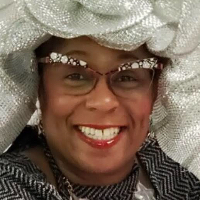
Michigan · 24 yrs exp
LCSW counselor - Stress and relationships
Stress, Anxiety · Addictions · Relationship · Family · +1 more
Read profile
Michigan · 18 yrs exp
Dr. Ana-Rocío Escobar-Chew - LMFT, Relationships and Family
Stress, Anxiety · Relationship · Family · Trauma and abuse · +8 more
Read profile
Florida · 25 yrs exp
LMFT - Stress and relationship concerns
Stress, Anxiety · Addictions · Relationship · Anger · +6 more
Read profile
Kansas · 12 yrs exp
LSCSW - Family and trauma care
Family · Trauma and abuse · Grief · Parenting · +1 more
Read profile
Texas · 5 yrs exp
LPC in Texas - Relationship and Trauma support
Relationship · Family · Trauma and abuse · Grief · +10 more
Read profile
Missouri · 11 yrs exp
LCSW - Grief and life changes
Grief · Anger · Self esteem · Career · +1 more
Read profile
Ohio · 4 yrs exp
Ohio LPCC - Women’s issues and life transitions
Stress, Anxiety · Self esteem · Career · Depression · +1 more
Read profile
New York · 8 yrs exp
Licensed Mental Health Counselor - Mood and Stress
Stress, Anxiety · Trauma and abuse · Grief · Bipolar · +1 more
Read profile
Maryland · 16 yrs exp
Licensed clinical social worker - Stress and relationships
Stress, Anxiety · Relationship · Trauma and abuse · Career · +2 more
Read profile
Texas · 6 yrs exp
LPC in Texas - Anxiety and Relationships
Stress, Anxiety · Relationship · Family · Trauma and abuse · +1 more
Read profile
California · 40 yrs exp
LCSW LPCC - Stress and Parenting
Stress, Anxiety · Trauma and abuse · Parenting · Coping with life changes
Read profile
Texas · 29 yrs exp
Licensed Professional Counselor - Relationships and Mood
Relationship · Eating · Self esteem · Depression · +3 more
Read profile
Illinois · 7 yrs exp
LCPC - Relationships and Mood Support
Stress, Anxiety · Relationship · Trauma and abuse · Self esteem · +1 more
Read profile
Ohio · 4 yrs exp
Ohio LISW - Stress and Trauma
Stress, Anxiety · Trauma and abuse · Grief · Depression · +1 more
Read profile
California · 12 yrs exp
Licensed Clinical Social Worker - Women's issues, relationships
Stress, Anxiety · Trauma and abuse · Grief · Self esteem · +12 more
Read profile
Nevada · 18 yrs exp
Licensed Professional Counselor - Relationships and Stress
Stress, Anxiety · Relationship · Family · Parenting · +1 more
Read profile
Massachusetts · 14 yrs exp
LICSW - Addictions and Relationships
Addictions · Family · Self esteem · Career · +9 more
Read profile
Pennsylvania · 20 yrs exp
LCSW - Stress and Career Concerns
Stress, Anxiety · Relationship · Career · Depression · +1 more
Read profile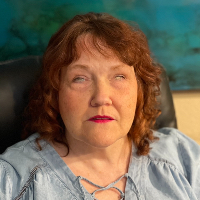
Texas · 16 yrs exp
Licensed Professional Counselor - Women's issues and relationships
Stress, Anxiety · Family · Parenting · Bipolar · +11 more
Read profile
Kentucky · 30 yrs exp
LCSW - Relationships and mood concerns
Relationship · Trauma and abuse · Bipolar · Depression · +1 more
Read profile
Louisiana · 6 yrs exp
Licensed Professional Counselor - Relationships and Family
Relationship · Family · Self esteem · Depression · +1 more
Read profile
Texas · 3 yrs exp
LPC counselor - Relationships and life changes
Stress, Anxiety · Relationship · Trauma and abuse · Self esteem · +16 more
Read profileWhen families come together you may find that daily life brings layered emotions - relief, hope, resentment, grief and fatigue can all show up at once. You may be negotiating roles with a new partner while also responding to an ex-partner's involvement, juggling parenting responsibilities, or feeling uncertain about your identity as a parent, step-parent or partner. These transitions can affect your relationships, work-life balance, body image and sense of self. Children and adolescents often react in ways that are difficult to predict, and loyalty conflicts between biological and step relationships can create ongoing stress. You might notice that small interactions trigger old wounds, or that the emotional labor of coordinating schedules, discipline and household tasks is heavier than expected.
Recognizing what is most taxing for you - whether it is co-parenting conflict, boundary setting, grief for a lost sense of family, or challenges blending parenting styles - helps you look for a therapist whose profile lists those concerns. Therapists who list blended family issues among their focuses may describe approaches or areas of experience relevant to your situation, but profiles are a starting point for a conversation about how your needs would fit with a therapist's work.
Women seeking support around blended family challenges often want therapeutic help that considers the broader context of female wellbeing. That can include navigating identity changes after partnership or parenthood, addressing pressures around body image and attractiveness, managing work and caregiving responsibilities, and processing grief or past relationship trauma. On this site you will find profiles of clinicians who list both blended family issues and women's wellbeing among their focus areas. This grouping does not establish a causal link between concerns, nor does it verify special certification. It simply indicates topics that a therapist lists on their profile as areas they address.
It is also important to note that a listed topic does not establish that a therapist treats children, couples, or families. If you are seeking family therapy, couple work, or support that includes minors, raise those needs directly with the clinician. Online talk therapy may address relationship dynamics, stress and adjustment, but it is not a substitute for medical, reproductive or legal care. For questions about pregnancy, physical symptoms, medications or legal custody matters, consult a medical or legal professional in addition to therapeutic support. If you are in immediate danger, call emergency services or contact the National Domestic Violence Hotline (US) at 1-800-799-7233 or text 88788, or the local equivalent where you are located.
When you review profiles, plan specific questions that will help you understand how a therapist might work with your blended family concerns. You can ask about the clinician's experience supporting women who are adjusting to step-parenting or navigating co-parenting conflicts, and whether they have worked with adolescents, complex custody arrangements, or families with different cultural backgrounds. If a profile lists particular approaches, ask what that looks like in practice by requesting examples of how a therapist who lists cognitive behavioral methods, emotion-focused work or narrative approaches would respond to a common blended-family scenario. For trauma-related concerns you can inquire about how therapists who list EMDR among their approaches would integrate safety planning and pacing into sessions, without assuming every clinician uses that approach.
Ask about degrees and licensing directly. A degree such as PhD, PsyD, MD, MA or MSW is an academic credential and does not by itself establish current permission to practice. Ask which professional license the clinician holds and whether that license permits them to work with you in your state or country. You can request a clear explanation of their experience working with the particular constellation of issues you face - for example, step-parent discipline, managing relationships with multiple households, or balancing work responsibilities - and ask how they measure progress or structure sessions when addressing these topics.
If you are considering remote sessions, talk with a prospective therapist about practical and safety-related details before your first appointment. Clarify how they handle technology interruptions, what platform they use, and what measures are in place to protect your information and conversations. Ask about the therapist's emergency procedures, including what will happen if you disclose that you are at risk or need immediate help. If you are in immediate danger, call emergency services or use local crisis resources. For domestic violence concerns in the United States, the National Domestic Violence Hotline is available at 1-800-799-7233 and by text at 88788, with local equivalents elsewhere.
Discuss boundaries around session times, what to do if you must reschedule, and how the therapist documents sessions and stores records. Ask whether they have permission to provide services where you live, since licensure and legal permission to practice vary by jurisdiction. Be explicit about whether you need the therapist to work with partners or family members at some point, and whether they offer that type of support. Finally, make sure you feel comfortable asking about how they address issues that overlap with medical or legal needs, and where they would refer you for those services.
Profiles can help you narrow options by showing what each clinician lists as focal concerns, the languages they speak, and their stated credentials. When comparing focus areas look for specificity - a profile that mentions step-parenting dynamics, co-parenting negotiations or grief related to family transition may be more aligned with your needs than one that only lists broad relationship issues. Pay attention to whether the profile mentions experience with identities or cultures that matter to you, and whether the clinician lists working with adolescents or with multiple households. Remember that a listed focus does not guarantee that the clinician will offer family sessions or work with minors, so confirm that in conversation.
Review the academic degrees and ask about professional licenses. A profile may list a PhD, PsyD or MSW as an educational credential; follow up by asking which license they hold and where it is active. Some clinicians will list the therapeutic approaches they draw on. Use that information as a prompt to request examples: ask how therapists who list emotion-focused work, cognitive behavioral techniques or attachment-based approaches would handle a disagreement over discipline or a situation where a child resists a new partner. Consider therapeutic style as part of the fit - some clinicians describe a direct, skills-focused approach while others emphasize exploration and narrative meaning-making. You can ask for a brief description of what a typical first few sessions involve to get a sense of session pacing and tone.
Comparing profiles is a practical step toward finding someone you can talk to about blended family life and women's wellbeing. Use profiles to identify clinicians who name the issues you face, then reach out to ask clear, concrete questions about experience, licensure and how they would work with your situation. That conversation is the best way to assess whether a therapist's approach and style align with what you are seeking.
Alabama
82 therapists
Alaska
9 therapists
Arizona
75 therapists
Arkansas
32 therapists
California
564 therapists
Colorado
136 therapists
Connecticut
45 therapists
Delaware
14 therapists
District of Columbia
14 therapists
Florida
578 therapists
Georgia
153 therapists
Hawaii
20 therapists
Idaho
27 therapists
Illinois
190 therapists
Indiana
79 therapists
Iowa
29 therapists
Kansas
40 therapists
Kentucky
70 therapists
Louisiana
102 therapists
Maine
18 therapists
Maryland
92 therapists
Massachusetts
65 therapists
Michigan
163 therapists
Minnesota
48 therapists
Mississippi
54 therapists
Missouri
129 therapists
Montana
35 therapists
Nebraska
33 therapists
Nevada
38 therapists
New Hampshire
12 therapists
New Jersey
124 therapists
New Mexico
22 therapists
New York
311 therapists
North Carolina
222 therapists
North Dakota
9 therapists
Ohio
127 therapists
Oklahoma
95 therapists
Oregon
41 therapists
Pennsylvania
158 therapists
Rhode Island
9 therapists
South Carolina
105 therapists
South Dakota
7 therapists
Tennessee
97 therapists
Texas
617 therapists
Utah
41 therapists
Vermont
7 therapists
Virginia
117 therapists
Washington
61 therapists
West Virginia
17 therapists
Wisconsin
83 therapists
Wyoming
10 therapists