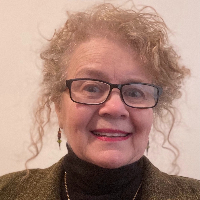
- Experience
- 26 years
- Languages
- English
- Sessions
- Online
- State
- Tennessee
- Attachment work
- DBT skills
- Emotion-focused work
About Sara
Sara draws on long-term clinical work with adults who face emotional pain and life transitions. She uses attachment-based ideas to look at how early relationships shape current patterns. Client-centered methods guide sessions so people can speak openly and be heard without judgment. Dialectical Behavior Therapy skills are used to teach concrete ways to manage strong emotions and improve coping.
Her background includes work in community mental health and adolescent psychiatric and addiction settings, plus independent practice beginning in the early 1990s. That mix of settings informs how she responds to crises, chronic conditions, and relationship strain. She combines emotion-focused approaches with practical strategies for day-to-day life.
Sara’s training and life experience have included attention to mind-body connections and trauma treatment. She incorporates somatic awareness and trauma-processing methods alongside relational work. The aim is to help people stabilize, improve communication, and regain more reliable sleep and routines when those are disrupted.
Clients can expect direct, conversational sessions that focus on clear skills and relational patterns. She emphasizes building manageable steps for change, setting boundaries, and improving communication. The work often centers on solving present problems while also addressing past experiences that keep patterns repeating.
Therapeutic approaches and online sessions
Attachment-based therapy looks at how early relationships shape current patterns and helps people understand recurring reactions in close relationships. It can be useful for intimacy concerns, abandonment worries, and attachment issues. Client-centered therapy focuses on listening and supporting clients to find their own solutions; sessions are guided by the person's priorities and lived experience. Dialectical Behavior Therapy, or DBT, teaches specific skills for emotion regulation, distress tolerance, and better interpersonal effectiveness, which can help with anger, mood swings, and impulsive behaviors.Finding the right approach is part of the work. The therapist will talk with each person about goals, preferences, and practical needs and then suggest which methods to use. That decision is collaborative and can be adjusted over time as needs change.
Confirm current session formats before booking, since formats were not specified in the profile. Online work can make it easier to fit therapy into a busy life by removing travel time, simplifying scheduling around work or childcare, and allowing shorter check-ins when needed. It can also let people use video or audio options depending on energy and bandwidth. Ask about available session types when you complete the matching questionnaire so you can pick what fits your routine.
Areas of expertise
Primary focus
Also works with
Additional focus areas
Therapeutic approaches
Experience
26+ years
Credentials
Tennessee
Languages
English
Frequently asked questions
What problems does she help with most often?
Sara helps with stress, anxiety, depression, trauma and relationship issues. She also addresses parenting strain, grief, addictions, and intimacy-related concerns.
What is her general approach in sessions?
She blends attachment-based and client-centered approaches with practical DBT skills. Sessions focus on emotion processing, improving communication, and building coping strategies.
How many years has she practiced clinically?
She has 26 years of clinical experience across community mental health, adolescent psychiatric settings, addiction work, and independent practice.
What credential does she hold and where is she based?
She is an LCSW - Licensed Clinical Social Worker in Tennessee and practices from that state.
Which languages are sessions offered in?
Sessions are offered in English.
Can people outside the US work with her?
International clients are not currently accepted.
How are sessions paid for and what does it cost?
Cost varies with location; sessions use a subscription that can be canceled at any time. Confirm specific fees during the matching process.
What steps are needed to begin working together?
Use the See online therapy options button, complete a short matching questionnaire, and schedule a first session after matching.