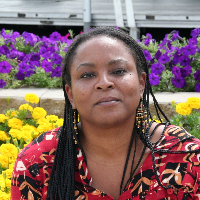
Therapist in Nebraska
Cynthia Jenkins, LMHP
LMHP in Nebraska - Women's issues and life changes
- Experience
- 34 years
- Languages
- English
- Sessions
- Online
- State
- Nebraska
- Stress and anxiety
- Grief and loss
- CBT and DBT methods
About Cynthia
She has worked in low-income community settings and in university and community counseling centers. She taught psychology at universities in Nebraska, Texas, and Missouri and spent more than a decade training post-graduate students in material used for board exams in medicine and dentistry. Cynthia holds a PhD in Social Psychology and has lived, studied, and traveled widely to understand cultural and social differences.
Her approach draws on client-centered methods, cognitive behavioral techniques, dialectical behavior therapy, existential ideas, and Jungian perspectives. In practice this means sessions often focus on spoken reflection, identifying unhelpful thoughts and behaviors, building practical coping skills, and examining personal meaning and patterns. She also brings long experience with grief, hospice and end-of-life concerns.
Cynthia describes a broadly eclectic style shaped by diverse family and cultural influences. She combines conversational work with structured skill-building depending on the issue at hand. Expect straightforward discussion about where a person is now and what steps might help them feel more stable and in control.
Outside of therapy she has a lengthy background as a licensed massage therapist and an interest in creative arts, travel, and environmental activities. Those life interests inform her perspective but do not replace the clinical methods she uses in sessions.
How therapeutic approaches shape online sessions
Client-Centered Therapy focuses on listening and reflecting what a person says. It helps people feel understood and clarifies what they want from therapy. Cognitive Behavioral Therapy, or CBT, looks at thoughts and behaviors that keep problems going and offers practical exercises to change them. It is often used for anxiety, depression, sleep, and stress-related issues. Dialectical Behavior Therapy, or DBT, teaches skills for emotion regulation, distress tolerance, and interpersonal effectiveness, useful for strong mood swings, anger, or relationship conflicts.Finding the best approach is part of the work together. The therapist and client talk about goals and try methods that suit those goals. Over time they adjust techniques based on what helps most, so the plan can shift as problems change or improve.
The biography does not list specific online session formats, so confirm current options before booking. Many people choose remote sessions to fit therapy into a busy day, have shorter check-ins between in-person visits, or avoid travel time. Remote work can also make it easier to keep sessions during work breaks or when weather or caregiving makes travel difficult. Licensed professionals can guide how to use the chosen format to focus on practical skill-building, thought work, and emotional regulation exercises in regular sessions.
Areas of expertise
Primary focus
Also works with
Additional focus areas
Therapeutic approaches
Experience
34+ years
Credentials
Nebraska
Languages
English
Frequently asked questions
What concerns does she most often address?
She works with stress, anxiety, addictions, depression, trauma and abuse, grief, intimacy and relationship challenges, sleep and parenting struggles, mood concerns including bipolar, and life-change coping.
What approach does she use in sessions?
She blends client-centered listening with cognitive behavioral work and dialectical behavior techniques, plus existential and Jungian perspectives when relevant.
How long has she been practicing?
She has 34 years of experience working in community settings and university counseling centers.
What are her credentials and where is she based?
She is an LMHP licensed in Nebraska and holds a PhD in Social Psychology.
Which languages are supported?
Sessions are offered in English.
Does she work with international clients?
International clients are not currently accepted.
What session formats are offered?
The original biography does not list specific session formats; please confirm current session options before booking.
How are fees and starting steps handled?
Cost varies with location and sessions use a subscription that can be canceled at any time. To get started, select the See online therapy options button, complete the short matching questionnaire, and schedule a first session.