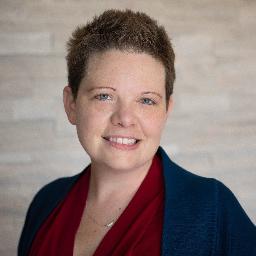
Therapist in Nebraska
Michelle Miller, LMHP
Licensed Mental Health Practitioner - Trauma and Women's issues
- Experience
- 5 years
- Languages
- English
- Sessions
- Online
- State
- Nebraska
- Stress and anxiety
- Addictions support
- Attachment informed
About Michelle
Michelle uses straightforward, person-focused approaches in sessions. She leans on practical skills from cognitive behavioral methods and tools from dialectical behavior therapy. Attachment-informed ideas guide how she looks at relationship patterns and safety in relationships.
Sessions emphasize plain talk and concrete steps. Clients work on coping skills, emotion regulation, and changing unhelpful thoughts. When substance use or compulsive behaviors are present, motivational approaches help build readiness for change.
Her background includes work with survivors of sexual assault, domestic violence, and people affected by cancer and post-traumatic stress. She also supports people facing compassion fatigue and those navigating non-monogamous or polyamorous relationships. Michelle has experience with LGBT concerns and substance-related challenges.
Michelle describes her style as client-centered and strengths oriented. She combines different methods to match what each person needs. People come for help with anger, relationship strain, parenting stress, and recovering from traumatic events.
To begin, readers should confirm current session options before booking. Sessions are offered in English and follow the LMHP credential Michelle holds in Nebraska.
How her approaches translate to online work
Michelle integrates client-centered work and cognitive behavioral therapy in sessions. Client-centered work focuses on listening and understanding each person's perspective, helping people clarify goals and feel respected. Cognitive behavioral therapy looks at patterns of thought and behavior and teaches concrete skills to reduce anxiety and depression.She also uses dialectical behavior therapy techniques to teach emotion regulation, distress tolerance, and interpersonal effectiveness. Those skills can be practiced between sessions and adapted for everyday situations, like managing anger or responding differently in relationships.
Finding the right approach is part of therapy. Michelle collaborates with each person to decide which methods fit best based on needs, goals, and preferences. She checks in and adjusts the plan as the work progresses.
The original biography did not list specific session formats. Confirm the current online session options before booking so you know whether video or phone sessions are available. Online work can make it easier to fit sessions into a busy schedule, allow shorter check-ins when needed, and reduce travel time, which helps people keep consistent appointments.
Areas of expertise
Primary focus
Also works with
Additional focus areas
Therapeutic approaches
Experience
5+ years
Credentials
Nebraska
Languages
English
Frequently asked questions
What concerns does she work with most often?
She commonly helps people with stress, anxiety, addictions, trauma and abuse, relationship and family concerns, and women's issues.
Which therapeutic approaches does she use?
Her practice draws on client-centered work, cognitive behavioral therapy (CBT), dialectical behavior therapy (DBT), attachment-based ideas, and mindfulness techniques.
How much clinical experience does she have?
She has five years of experience as a mental health practitioner working in Nebraska.
What credential does she hold and where is she located?
She holds the LMHP credential and practices in Nebraska.
Can I work with her in other languages or from other countries?
Sessions are offered in English. She does not accept international clients at this time.
What session formats are offered?
Formats were not specified in the biography; confirm current session options before booking.
How are sessions priced?
Cost varies with location and sessions use a subscription that can be canceled at any time.
How do I begin a first appointment?
Select the See online therapy options button, complete a short matching questionnaire, and schedule a first session.