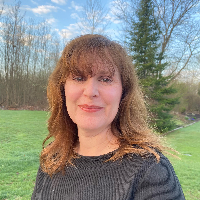
Therapist in New York
Karen Pelligra, LMHC
LMHC in New York - Stress and Relationship Concerns
- Experience
- 22 years
- Languages
- English
- Sessions
- Online
- State
- New York
- Stress and anxiety
- Relationship issues
- CBT and DBT techniques
About Karen
Her background includes work in outpatient community mental health clinics, inpatient psychiatric hospitals, and home-based family services. That range means she is familiar with both short-term crises and longer-term difficulties. Sessions tend to focus on practical steps and clear coping skills you can use between meetings.
Karen draws on client-centered therapy to keep the focus on each person's priorities. She uses cognitive behavioral therapy (CBT) and dialectical behavior therapy (DBT) strategies to help people notice patterns, test different responses, and build steady routines. Mindfulness and motivational interviewing appear in her approach when helping people increase awareness and find internal motivation for change.
She has worked with situations that include mood disorders, panic attacks, obsessive-compulsive behaviors, postpartum depression, chronic pain and illness, and issues tied to adoption and foster care. Communication problems, divorce and separation, and first responder stress are also within her experience.
Sessions are conducted in English from her New York practice. Karen emphasizes collaboration and practical skills so clients can manage daily life and move through transitions with clearer plans.
How therapeutic approaches translate to online work
Client-centered therapy focuses on the person's priorities and perspective. Online sessions using this approach ask what matters most right now and shape the conversation around those goals. Cognitive Behavioral Therapy (CBT) looks at thoughts, feelings, and behaviors and teaches practical exercises to interrupt unhelpful patterns; online CBT often uses worksheets, behavioral experiments, and homework between meetings. Dialectical Behavior Therapy (DBT) contributes skills for emotional regulation, distress tolerance, and clearer communication; those skills can be practiced and reviewed during remote sessions.Choosing the right approach is part of the work together. The therapist will talk with the client about goals, preferences, and what has helped or not helped in the past. From there she and the client decide which methods to try and adjust them as progress is made.
The specific session formats available should be confirmed before booking. If you plan to use online sessions, consider practical benefits such as fitting appointments around work and family demands, reducing travel time, and enabling shorter check-ins when a full session is not possible. Discuss format options with the therapist when you schedule so sessions match your daily life and technical needs.
Areas of expertise
Primary focus
Also works with
Additional focus areas
Therapeutic approaches
Experience
22+ years
Credentials
New York
Languages
English
Frequently asked questions
What concerns does she help with most often?
She works with stress, anxiety, depression, relationship strain, grief, trauma, eating concerns, addictions, parenting stress, and related mood or coping issues.
What is her general therapeutic style?
Her style is collaborative and practical, using client-centered methods alongside CBT, DBT, mindfulness, and motivational interviewing to build skills and plans you can use day to day.
How much experience does she have?
She has 22 years of counseling experience in outpatient clinics, inpatient psychiatric hospitals, and home-based family services.
What credentials and location apply?
She is a Licensed Mental Health Counselor (LMHC) licensed in New York and works from New York.
Which languages are used in sessions?
Sessions are offered in English.
Does she take clients outside the United States?
She does not accept international clients at this time.
How are sessions arranged and what does cost look like?
Cost varies with location and sessions use a subscription that can be canceled at any time.
What should I do to get started?
Select the See online therapy options button, complete a short matching questionnaire, and schedule your first session.