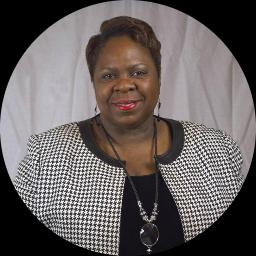
Therapist in Hawaii
Ellen Thrasher, LCSW
Licensed Clinical Social Worker - Stress and Trauma
- Experience
- 30 years
- Languages
- English
- Sessions
- Online
- State
- Hawaii
- CBT tools
- DBT skills
- Trauma-focused care
About Ellen
Her approach starts with listening to each person's story and recognizing the strengths they already have. She uses straightforward therapeutic tools to help people manage strong emotions and reduce symptoms that get in the way of daily life. Sessions focus on practical skills and clearer ways to handle difficult moments.
Ellen draws on Cognitive Behavioral Therapy and Dialectical Behavior Therapy strategies to support people with anxiety, panic, and mood struggles. She also uses Trauma-Focused Therapy when past events are a central problem. These approaches are used to help people change unhelpful thoughts, manage intense feelings, and build healthier patterns in relationships and work.
Over three decades Ellen has worked with a wide range of concerns, from grief to chronic health challenges and money-related stress. She helps people talk through communication problems and issues tied to narcissistic behavior in others. The work can include learning new coping tools, practicing different reactions, and making step-by-step changes.
Practical next steps include choosing a session time and beginning with a short assessment to set goals. Ellen’s service model uses a subscription that can be canceled at any time, and sessions are conducted in English in Hawaii.
How CBT, DBT and Trauma-Focused Work Translate Online
CBT, or Cognitive Behavioral Therapy, focuses on identifying unhelpful thoughts and testing them against real-life evidence. It helps with anxiety, depression, panic, and daily stress by teaching practical ways to change thinking and behavior. DBT, or Dialectical Behavior Therapy, offers skills for managing intense emotions, improving distress tolerance, and strengthening interpersonal effectiveness. It is useful when emotions feel overwhelming or relationships are strained. Trauma-Focused Therapy addresses the impact of past traumatic events and helps people process memories and reduce symptoms tied to trauma.Choosing the right approach is a collaborative process. Ellen will work with the client to assess needs, goals, and preferences and then recommend which methods to emphasize. She adjusts the focus over time based on what helps most and what the person wants to change.
Confirm the exact session formats before booking, as the biography does not list specific online options. Online work can make it easier to fit appointments into a busy week, allow shorter check-ins when schedules are tight, and remove travel time. Many people find remote sessions help them practice skills in everyday settings and apply what they learn between meetings.
Areas of expertise
Primary focus
Additional focus areas
Therapeutic approaches
Experience
30+ years
Credentials
Hawaii
Languages
English
Frequently asked questions
What concerns does she focus on most?
Ellen commonly works with stress, anxiety, trauma and abuse, grief, anger, and depression. She also addresses related issues like attachment, panic, workplace stress, and women’s issues.
What is her therapeutic style?
Her style is practical and skills-based, using tools from Cognitive Behavioral Therapy and Dialectical Behavior Therapy alongside trauma-focused methods. Sessions emphasize learning coping strategies and changing unhelpful patterns.
How long has she been practicing?
She has 30 years of professional experience working with a range of mental health concerns.
What credential does she hold and where is she based?
She is a LCSW, licensed in Hawaii, and practices there.
Which languages are supported?
Sessions are offered in English.
Can people outside the US work with her?
She does not accept international clients at this time.
How are fees and payments handled?
Cost varies by location. Sessions use a subscription model that can be canceled at any time.
How do I begin a first session?
Begin by selecting the See online therapy options button, completing a short matching questionnaire, and scheduling the first session.